Wine Travel Awards Unveils 21 Exceptional Global Wineries
Enjoying a fine glass of wine transcends the liquid in the bottle, embracing the entire sensory journey. From breathtaking landscapes of rolling hills to historic architecture steeped in local heritage, the experience defines premium wine tourism. The prestigious Wine Travel Awards annually highlights the world's finest wineries across 48 nations, with this year's champions set for revelation on May 1. Currently, 21 outstanding venues have been shortlisted, offering unparalleled oenological adventures.
Selection Based on Authentic Experiences
Iryna Diachenkova, CEO of the awards, explained to Forbes: 'The selections are grounded in first-hand experience.' She elaborated: 'We discovered that on Mazzorbo, an island near Venice, a renowned winemaking family had revived the long-lost Dorona grape. When we visited Venissa Estate, we saw for ourselves that its flagship wine is pure gold, at least in colour and certainly in price. Naturally, we added it to our must-visit list.' From France to Taiwan, these destinations represent the pinnacle of global wine culture, though notably, the United Kingdom does not feature on this exclusive roster.
Highlights from the Shortlist
Bodega La Luz del Vino, Mendoza, Argentina: Nestled in Argentina's famed Uco Valley, this winery boasts some of the region's oldest vineyards, producing 500,000 litres annually. Described as a 'state-of-the-art company' with a micro vinification research department, its wines mature in French or Slavonian oak barrels.

Champagne Joseph Perrier, Châlons-en-Champagne, France: Established in 1825 and family-owned for six generations, visitors can explore historic champagne cellars recognized as a UNESCO World Heritage Site dating to the 4th century.
Château Pape Clément, Pessac, France: Near Bordeaux, this castle celebrates seven centuries of wine history, with its first harvest in 1252. Guests admire charming architecture and landscaped gardens while sipping exquisite wines.
Shaloshvili Cellar & Hotel, Shilda, Kakheti, Georgia: A family-owned establishment since 1998, it produces 150,000 bottles yearly from 16 hectares of vineyards in Georgia's Kakheti region.
SHUMI Winery, Tsinandali, Kakheti, Georgia: Situated on a national park border, SHUMI honors local heritage and cultivates over 2,000 grape varieties, making it the world's largest private ampelographic collection.
Winery Khareba, Kvareli, Kakheti, Georgia: Merging traditional and modern methods across 1,500 hectares, it creates over 50 wine products from 30 grape varieties.
FASOLI GINO Winery, Verona, Italy: Family-run since 1925, it adopted organic farming in the 1980s and now employs biodynamic and regenerative practices.
Mirabella Golf Club, Mirabella Eclano, Italy: Founded by the Mastroberardino family, its Wine Cellar offers tastings where 'food and wine pairings are accompanied by good live music.'
Radici Resort, Mirabella Eclano, Italy: In Campania's Irpinia region, this 60-hectare estate features local vine varieties and is 'completely immersed in the vineyards,' blending relaxation with local flavors.
Venissa Estate, Venice, Italy: On Mazzorbo island, a walled vineyard grows the nearly extinct Dorona grape, revived after a 1966 flood, producing 3,000 bottles of collectible Venissa Bianco annually.
Ventiventi Winery, Modena, Italy: Run by three brothers on a 70-hectare estate acquired in 2014, it emphasizes organic farming, with first vines planted in 2016.
Villa Cammaratini, Modica, Italy: A luxurious Sicilian villa set in rural landscapes, it houses the Cantina Rio Favara winery, ideal for immersive stays.
Vinos de La Luz, Siena, Italy: Located in Tuscany's UNESCO Val d'Orcia site, this estate offers a serene wine experience.
The Yeatman, Porto, Portugal: A luxurious wine hotel in Porto's port wine cellar district, its restaurant holds two Michelin stars, overlooking the Douro River.

The Glass Museum at Glenelly Estate, Stellenbosch, South Africa: Founded by May de Lencquesaing, 101, it features a 2,000-year glass collection, adding 'history, beauty, and elegance' to the wine experience.
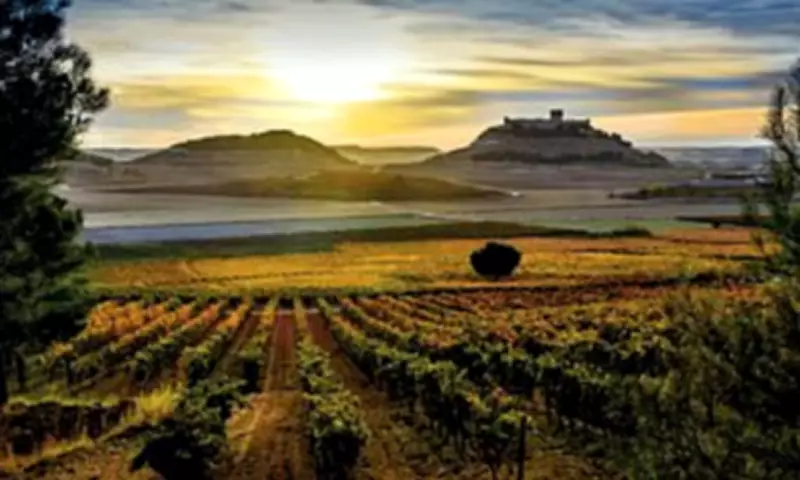
Bodega La Luz del Duero, Ribera del Duero, Spain: With 44 hectares overlooking a medieval castle, it produces 400,000 litres yearly, focusing on optimal soil areas.
Bodega La Luz de Rueda, Valladolid, Spain: This winery cultivates native varieties in a Mediterranean climate on 'gravelly soils,' as noted by the awards.
Bodega Tío Pepe, Jerez, Spain: Specializing in sherry since 1835, it was the first winery to use electricity, offering cellar tours, a hotel, and the Tio Pepe festival blending wine, music, and culture.
Descalzos Viejos, Malaga, Spain: Housed in a restored former monastery purchased in 1998, it combines historic architecture with modern winemaking.
Domaine Vino Formosa, Taipei City, Taiwan: Pioneering deep-sea-aged wine in Taiwan, it ages Vino Formosa Bianco on the ocean floor for seven months, inspired by a 200-year-old shipwreck.
Monsoon Valley Vineyard, Hua Hin, Thailand: Founded in 2001 to foster Thai wine culture, it sits between national parks and an elephant sanctuary, offering a unique ecological backdrop.
These shortlisted wineries exemplify the diversity and excellence in global wine tourism, awaiting the final announcement on May 1. Each destination promises not just premium wines but unforgettable experiences rooted in tradition, innovation, and scenic beauty.