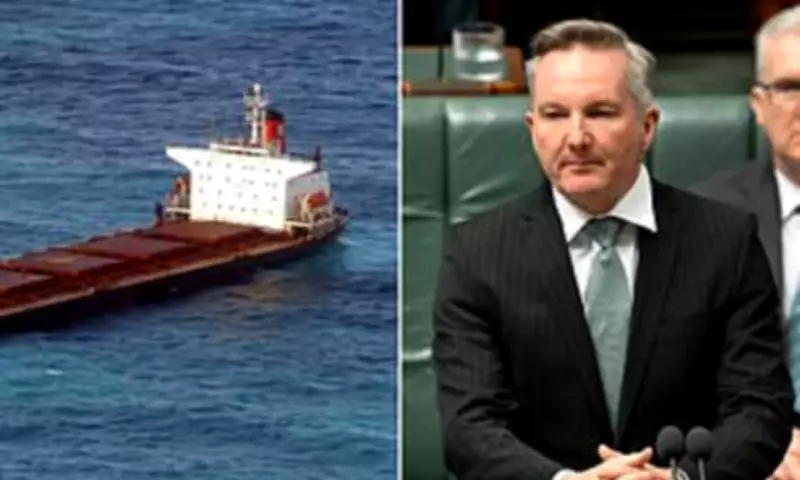
China Halts Jet Fuel Exports to Australia, Sparking Airfare and Supply Concerns
China, Australia's largest supplier of aviation fuel, has directed its refineries to cease oil exports, a decision that could intensify pressure on airfares and heighten anxieties over potential future shortages. Australia predominantly depends on imported jet fuel, with Chinese refineries contributing 32 per cent of these imports in 2025, a critical supply that supports airports and aircraft nationwide.
Immediate Export Ban and Industry Confirmation
On Thursday, four sources informed Reuters that authorities in Beijing had mandated an immediate ban on refined fuel exports for March. The following day, Aldric Chew, head of oil pricing in Asia Pacific at data service Argus, corroborated this move to the Australian Financial Review. Mr Chew noted that while the Chinese government has not released an official statement, emails to traders requested their 'understanding to postpone or cancel' cargo contracts.
It is understood that the halt will not immediately impact Australians, as tankers from north-east Asia and India can take up to 25 days to arrive. However, the news emerges just 24 hours after Sydney Airport chief executive Scott Charlton voiced concerns, reported by News Corp, that Australia is excessively reliant on overseas supplies.

Government Response and Fuel Security Warnings
Climate Minister Chris Bowen addressed parliament on Thursday, stating he could not guarantee Australia would avoid a fuel shortage, driven by conflict in the Middle East. 'This means the reliability of that 25-day supply depends on international shipping lanes, global refining capacity and geopolitical stability,' he told a conference. 'And when you look at the world today – with conflict in the Middle East and growing tension across global energy markets – you start to see why fuel security matters just as much as emissions.'
Petrol prices nationwide have surged to over $2 a litre, fueled by intensifying conflicts involving Iran, the US, Israel, and other nations in the Middle East. Some regional areas have reported fuel shortages, prompting Minister Bowen to declare a national crisis and advance plans to release fuel from the strategic reserve. He attributed supply and price issues partly to panic-buying motorists, urging Australians to 'buy as much fuel as you need: no more, no less.'
Policy Measures and Industry Adjustments
In response to the crisis, the government has relaxed quality standards for the next 60 days, permitting the use of fuel with higher sulphur levels to boost the domestic market by 100 million litres of petrol monthly. On Friday, Mr Bowen announced further adjustments, requiring fuel companies to hold less fuel in reserve. Mandatory diesel stockpiles will be reduced from 2.7 billion litres to 2.2 billion litres, while petrol reserve requirements will drop from 1 billion litres to 700 million litres. The government assured that quality levels would remain high by international standards.
Opposition energy spokesman Dan Tehan criticised these measures as ad hoc and suggested easing diesel quality standards, emphasising that 'Australia's economy runs on diesel.' Meanwhile, Resources Minister Madeleine King is travelling to Japan for talks with international counterparts to discuss securing fuel supplies and boosting critical minerals and rare earths, essential for electric vehicle batteries and defence technologies.
The Daily Mail has contacted the Department of Climate Change, Energy, the Environment and Water for comment, as Australia navigates this escalating fuel security challenge.