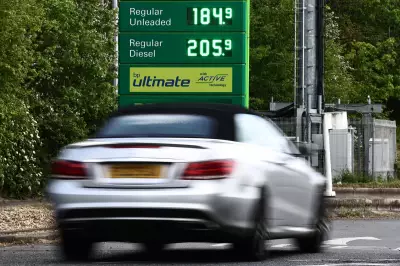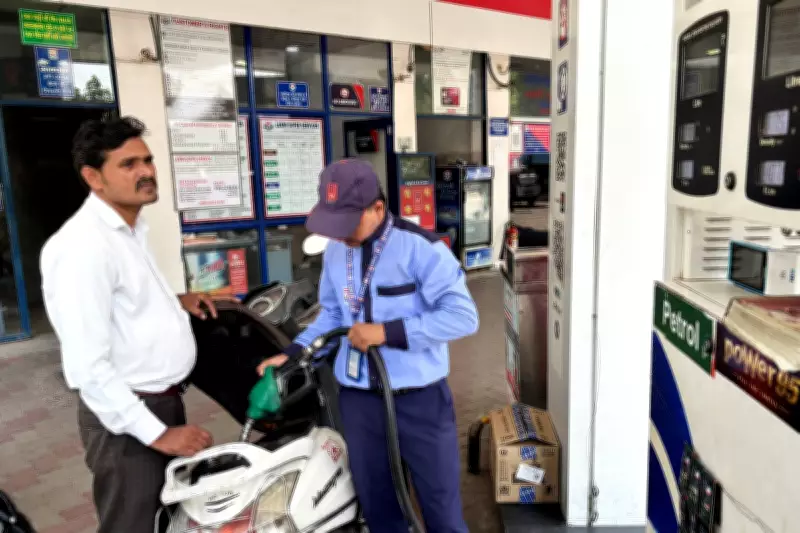
India has raised fuel prices by 3 rupees ($0.03) per liter as the government moves to offset losses stemming from higher global oil prices, adding further strain to the economy amid an ongoing energy crisis.
Price Hike Details
In New Delhi, gasoline prices have risen to 97.77 rupees ($1.17) per liter, while diesel now costs 90.67 rupees ($1.09) per liter. The price adjustment, implemented on Friday, marks a significant shift for India, which imports approximately 90% of its oil and has been severely impacted by rising energy costs and supply disruptions linked to the Iran war and the closure of the Strait of Hormuz.
Until now, India had refrained from increasing retail fuel prices despite sharp rises in energy costs, making it one of the last major economies to pass on higher crude prices to consumers.

Government Austerity Measures
The price increases come just days after Prime Minister Narendra Modi urged Indians to adopt voluntary austerity measures. On Sunday, Modi called on citizens to work from home where possible, limit foreign travel, and reduce gold purchases. He described fuel conservation and saving foreign exchange as acts of 'patriotism,' encouraging greater use of public transportation, carpooling, and lower fertilizer consumption.
Opposition leaders criticized the timing of the appeal, noting that fuel prices were kept unchanged during a key round of state elections, with Modi's call only coming after the polls concluded.
Earlier this week, India also raised import duties on gold and silver to 15% in an effort to curb demand for imports that drain foreign exchange reserves. The Indian rupee has fallen to record lows in recent weeks as higher oil prices increased pressure on imports and foreign exchange reserves.
Delhi's Austerity Rollout
India's capital, New Delhi, has become the first state to implement concrete austerity measures. Authorities on Thursday announced fuel-saving initiatives, including mandatory work-from-home days for some government employees. Delhi Chief Minister Rekha Gupta stated that the 90-day campaign aims to reduce official fuel use and encourage residents to rely more on public transportation rather than private vehicles.
Under the plan, employees whose work can be performed remotely will work from home two days per week, while private companies are being encouraged to adopt similar measures voluntarily.