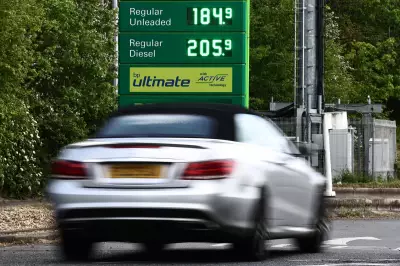
Oil prices experienced a significant decline, approaching the $100 per barrel mark, following indications from former President Donald Trump that the Strait of Hormuz could be accessible to all nations if Iran agrees to a reported memorandum of understanding to end hostilities. Brent crude futures dropped by 7.8%, settling at $101.27 per barrel, as market optimism grew over a potential de-escalation in the region.
Market Reactions and Diplomatic Moves
Asian stock markets surged to record highs amid growing hopes for a breakthrough between the United States and Iran. Reports suggested that the US believed it was close to finalizing a memorandum of understanding to halt hostilities, with an Iranian foreign ministry spokesperson confirming that the proposal was under serious consideration. This diplomatic progress fueled a rally in risk assets, with investors betting on a resolution that would ensure the free flow of oil through the strategic waterway.
Continued Military Tensions
Despite the market optimism, military tensions in the region persisted. A US fighter jet reportedly damaged an Iranian oil tanker in the Gulf of Oman, underscoring the fragile nature of the situation. A US Secretary of State stated that the initial offensive was over and that a diplomatic deal was preferred, while an Iranian parliamentary speaker struck a defiant tone, indicating that Iran was 'just getting started'. The contrasting statements highlight the delicate balance between diplomatic progress and ongoing hostilities.

The Strait of Hormuz is a critical chokepoint for global oil shipments, and any disruption to its operations can have significant implications for energy markets. The potential reopening of the strait would alleviate supply concerns, contributing to the sharp decline in oil prices. However, analysts caution that the situation remains fluid, and further developments could quickly reverse the current market trends.