The reopening of the Strait of Hormuz, a critical maritime chokepoint for global oil and gas shipments, would have only a limited effect on global cargo flows, according to shipping giant Maersk. The Danish firm's assessment comes amid ongoing geopolitical tensions in the region that have disrupted shipping routes and forced carriers to seek alternative paths.
Maersk's Analysis
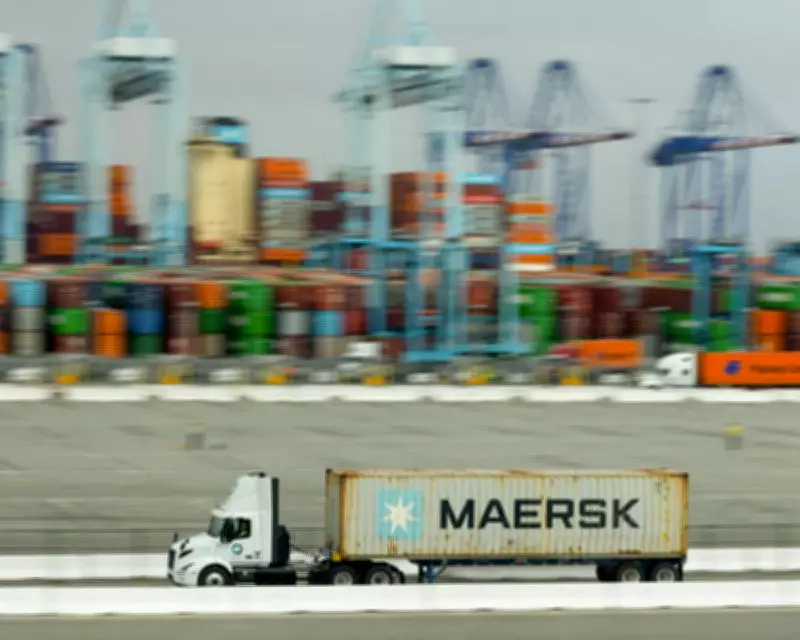
In a statement released on Thursday, Maersk outlined that even if the strait were to fully reopen, the impact on container shipping and broader cargo movements would be minimal. The company explained that the majority of rerouting and capacity adjustments made during the period of closure have become permanent fixtures in global logistics networks.
“We have seen a significant restructuring of supply chains since the initial disruptions,” a Maersk spokesperson said. “Many shippers have diversified their routes and invested in alternative corridors, which are now operating efficiently. A return to the status quo ante is unlikely to reverse these changes.”

Rerouting and Capacity Adjustments
The Strait of Hormuz, located between Oman and Iran, is a vital passage for approximately 20% of the world's oil and a significant share of liquefied natural gas. However, for container shipping, which carries manufactured goods, the strait's importance is less pronounced. Maersk noted that most container vessels have already been diverted around the Cape of Good Hope or through the Suez Canal, and these alternative routes have proven reliable.
“The capacity constraints that initially caused delays have been addressed through the deployment of additional vessels and the optimization of port operations,” the spokesperson added. “As a result, the impact of reopening the strait on cargo flows would be negligible.”
Geopolitical Context
The Strait of Hormuz has been a flashpoint for tensions between Iran and Western nations, with periodic threats to close the waterway. In recent months, heightened military activity and diplomatic standoffs have led to temporary closures, prompting shipping companies to reroute vessels. However, Maersk's assessment suggests that the long-term effects on global trade may be less severe than initially feared.
Industry analysts have echoed Maersk's view, noting that the shipping industry has adapted quickly to disruptions. “The resilience of global supply chains has been tested repeatedly, and each time, the industry has found ways to mitigate the impact,” said a maritime logistics expert. “While the Strait of Hormuz remains strategically important for energy markets, its influence on general cargo flows has diminished.”
Implications for Global Trade
Maersk's comments highlight a broader trend of de-risking in global shipping, where companies are reducing reliance on single chokepoints. The shift has implications for trade patterns, insurance costs, and geopolitical strategy. For the UK and other European nations, which rely heavily on imports from Asia, the findings may offer reassurance that supply chains are more robust than previously thought.
“The reopening of the Strait of Hormuz would not lead to a dramatic drop in freight rates or a sudden normalization of routes,” the Maersk spokesperson concluded. “The new normal is already here, and it is more diversified and resilient.”