The United Kingdom has become the first G7 nation to secure a free trade agreement with a bloc of six Gulf states, in a deal that the government projects will boost the economy by an estimated £3.7 billion each year.
Key details of the agreement
The deal with the Gulf Cooperation Council (GCC) — which includes Bahrain, Kuwait, Oman, Qatar, Saudi Arabia, and the United Arab Emirates — is also expected to increase domestic wages by £1.9 billion annually in the long term, according to the government. Under the agreement, tariffs will be eliminated on exports such as food, medical equipment, and advanced manufacturing goods, while the deal includes what the government describes as “first-of-its-kind” GCC commitments on the free flow of data.
An estimated £580 million in duties per year will be removed based on current UK exports to GCC countries once the agreement is fully implemented.

Negotiation history and economic impact
Negotiations began four years ago, with initial expectations that the deal could boost UK gross domestic product by £1.6 billion. The GCC states collectively represent the UK’s 10th largest trade partner, and demand for imports to the bloc is forecast to double by 2050. Current bilateral trade stands at about £53 billion, and the deal is projected to increase this by 20%, with UK exports making up two-thirds of that trade.
Duties totalling £360 million will be removed as soon as the agreement comes into force. The government says “renewed certainty” for services firms will pave the way for UK companies to expand in the Gulf, supporting “high-quality jobs for years to come.” The Press Association understands that negotiators achieved more than originally expected on tariff liberalisation.
Sector-specific benefits
The GCC currently imports about 85% of its food, and goods including cereals, cheddar cheese, chocolate, and butter are among those expected to become tariff-free. For the first time, the GCC has made commitments on the free flow of data, allowing UK businesses to operate in the Gulf without having to store data locally. The deal also includes a first-of-its-kind chapter on anti-corruption, covering animal welfare, environment, innovation, labour, and women’s economic empowerment. The government did not seek a specific human rights clause in the agreement. The deal preserves the UK’s right to regulate, with no requirements to alter UK standards.
Political reactions
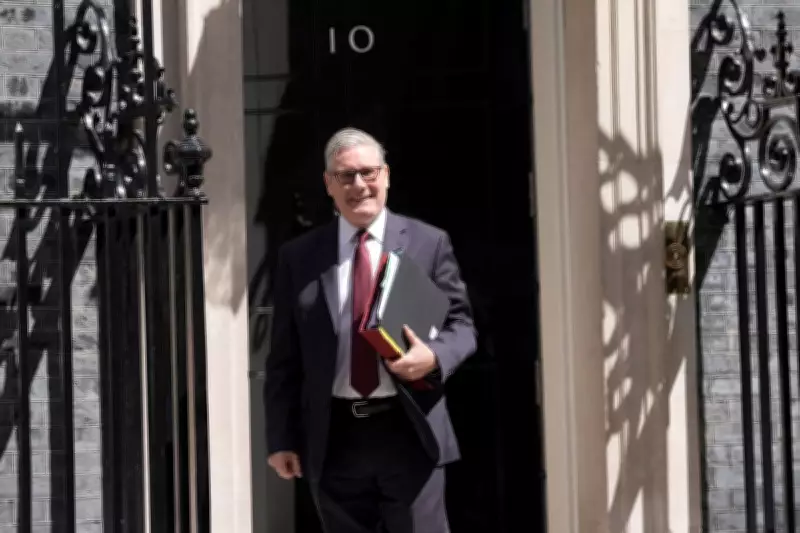
Prime Minister Sir Keir Starmer said: “Today’s agreement is a huge win for British business, and for working people who will feel the benefits in the years ahead through higher wages and more opportunities. This government has now secured five major trade deals with international partners, delivering on our commitment to drive growth, support jobs and strengthen the UK economy. The Gulf states are valued economic partners and this agreement deepens that relationship, building trust and unlocking new possibilities for trade and investment.”
The government has previously struck trade deals with India, the US, the European Union, and South Korea. Trade Secretary Peter Kyle described the GCC as “an important and growing set of markets” and said he was “proud” that the UK was the first G7 country to secure a trade deal with the bloc. He said: “For this government to meet the challenges that our country faces, incremental change won’t cut it. That’s why major trade deals like this one, and that we secured with India, the US, South Korea and the EU, are vital for moving the dial towards long-term, sustainable economic growth with benefits people and businesses can see and feel. At a time of increased instability, today’s announcement sends a clear signal of confidence — giving UK exporters the certainty they need to plan ahead and reinforcing the strength and stability of the UK’s trading relationship with the Gulf at a critical moment.”
Chancellor Rachel Reeves said the deal would “open up a world of economic opportunity.” She said: “Our fifth trade deal since taking office, it’s proof we are backing British firms to compete and win globally, delivering growth, security and jobs, and that we have the right economic plan.”

Services sector and expert views
The services sector accounts for about 80% of the British economy and more than half of UK exports to the GCC. Anna Anthony, EY UK regional managing partner, said: “The UK exported more than £20 billion in services to GCC countries last year, and this agreement should create even greater opportunities for UK professional services businesses in these high-growth markets. The agreement’s visa transparency and digital trade provisions will make it easier for UK professionals to deliver in-person and cross-border services, providing businesses with the clarity and confidence to compete in these markets.”