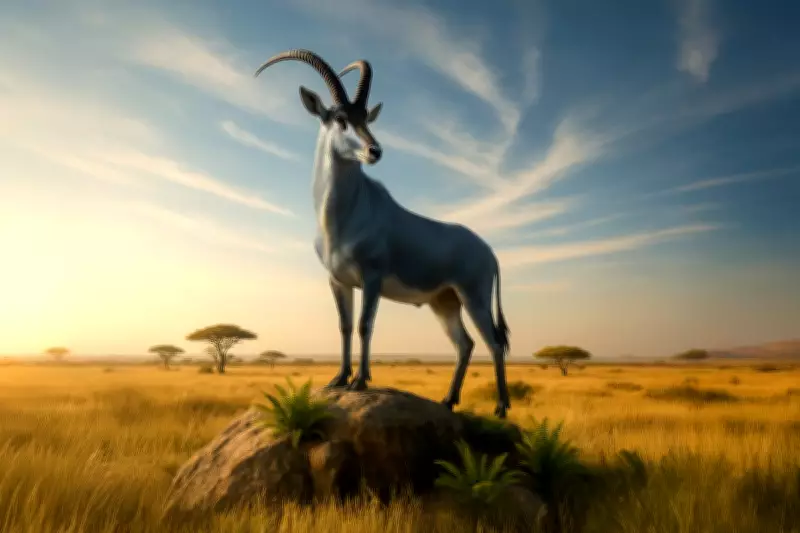
Colossal Biosciences, a biotechnology start-up based in Texas, has unveiled plans to bring the bluebuck antelope back from extinction. This species, native to southern Africa, disappeared around 1800 and is now the sixth animal added to the company's ambitious de-extinction programme, which already includes the dire wolf, woolly mammoth, and dodo.
How the De-Extinction Process Works
The project involves reconstructing the bluebuck's genome from preserved specimens. Scientists will then genetically modify cells from the roan antelope, a close living relative, to create embryos. These embryos will be carried by surrogate animals, with the goal of producing a living bluebuck. However, no specific timeline has been provided for this milestone.
Conservation Implications
Ben Lamm, CEO of Colossal Biosciences, described the initiative as a “pivotal step” for conservation. The company aims to develop technologies that could benefit the 29 antelope species currently at risk of extinction. In collaboration with conservation groups in South Africa, Colossal is also planning habitat restoration and potential reintroduction of the bluebuck into its native range.

The bluebuck project marks another frontier in the controversial field of de-extinction, which seeks to reverse biodiversity loss through advanced genetic engineering. Critics question the ethics and practicality of resurrecting extinct species, while proponents argue it could provide tools to save endangered ones.