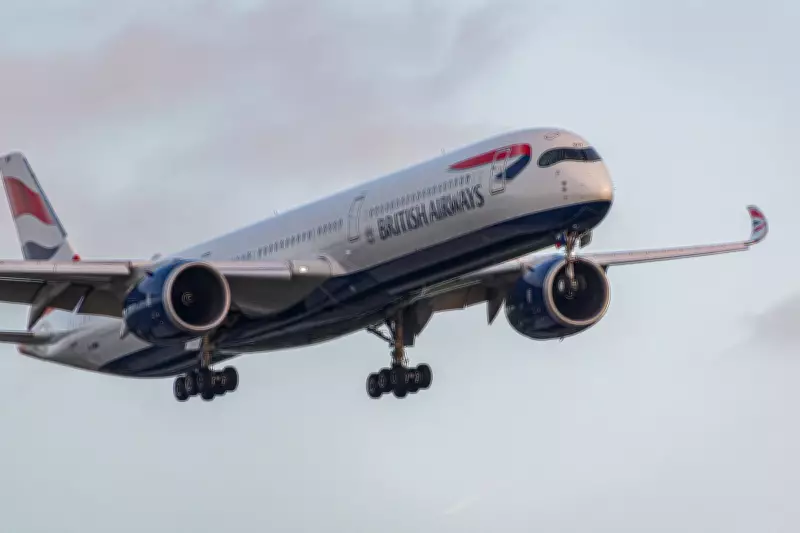
British Airways is implementing a major strategic overhaul of its flight network, pivoting away from the Middle East and significantly boosting services to India and Africa. This shift comes as the airline responds to ongoing geopolitical tensions in the region and aims to exploit reduced competitor capacity.
Reductions in Middle East Services
The airline will ground all flights from London Heathrow to Jeddah effective 24 April, marking a complete withdrawal from this key Saudi Arabian route. Additionally, the London-Riyadh service will be halved to just one daily flight, down from previous frequencies. While services to Dubai, Doha, and Tel Aviv are scheduled to resume from 1 July, they will operate at a notably reduced frequency compared to levels before recent disruptions.
Expansion into India and Africa
In contrast, British Airways is aggressively expanding its presence in India and Africa. The airline will double its flight offerings to Bangalore and Nairobi, reflecting a strong commitment to these growing markets. Extra services are being added to Mumbai and Delhi, with the airline also deploying larger aircraft on routes to the Indian capital and Hyderabad to accommodate increased passenger demand.

Strategic Motivations Behind the Changes
These network adjustments are a direct response to the volatile situation in the Middle East, which has prompted a reevaluation of route profitability and safety. By scaling back in this region, British Airways aims to mitigate risks associated with ongoing conflicts and travel advisories. Simultaneously, the airline is capitalising on the reduced operational capacity of major competitors like Emirates, Etihad, and Qatar Airways, positioning itself to capture a larger share of the lucrative India and Africa travel markets.
The move underscores a broader trend in aviation where carriers are adapting to geopolitical shifts and market opportunities. British Airways' decision to reallocate resources from the Middle East to South Asia and Africa could set a precedent for other airlines facing similar challenges. This strategic realignment is expected to enhance the airline's competitiveness and financial performance in the coming years, as it taps into high-growth regions with strong travel demand.