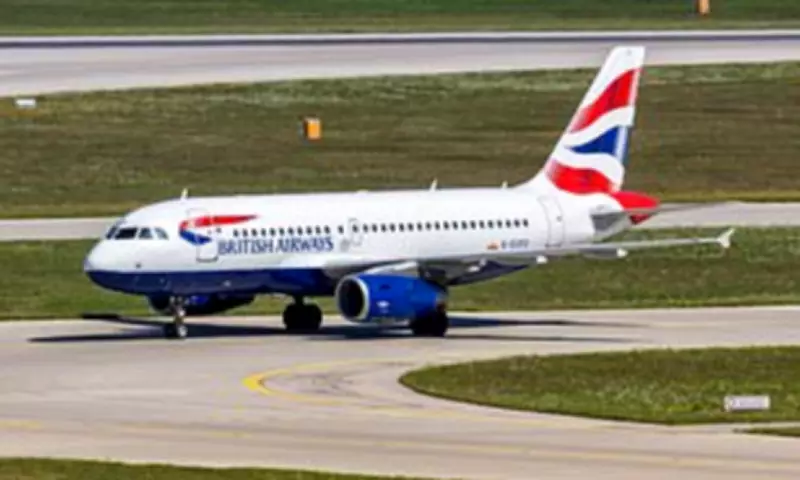
British Airways has announced significant changes to its flight schedule, cutting services to several Middle Eastern destinations while increasing capacity to alternative markets such as India and Kenya. The adjustments come as ongoing conflict in the Middle East continues to disrupt travel patterns and consumer confidence.
Schedule Adjustments and Route Changes
The airline confirmed it will limit flights to the Middle East when services resume in July, with permanent removal of Jeddah, Saudi Arabia from its network by late April. While flights to Riyadh will restart in mid-May, and services to Dubai, Doha, and Tel Aviv are scheduled to resume on July 1, these routes will operate at reduced frequency.
Reduced Middle East Services
From July, British Airways will operate just one daily flight to Dubai, Doha, and Tel Aviv, down from previous levels. Similarly, Riyadh services will be reduced from two daily flights to one beginning in mid-May. These cuts reflect the carrier's strategic response to ongoing regional instability and changing travel demand.

Expanded Alternative Destinations
To compensate for the reduced Middle East capacity, British Airways will deploy aircraft to boost services to alternative markets. Daily flights will be added to Bengaluru, India and Nairobi, Kenya, with increased capacity also planned for existing routes to Delhi and Hyderabad. These changes will remain in effect throughout the summer season until October 24, with one Dubai service restarting on October 16.
Industry Context and Customer Impact
A British Airways spokesperson explained: 'Due to the ongoing situation in the Middle East, we have made further changes to our flying schedule to provide greater clarity for our customers. We're keeping the situation under constant review and are directly in touch with affected customers to offer them a range of options.'
The spokesperson added: 'Since the disruption began, we've helped thousands of customers return home, operated relief flights, and added additional capacity on key long-haul routes. We will continue to assess and introduce further flying where possible.'
Broader Travel Disruption
These schedule changes follow British Airways' cancellation last month of all flights into Dubai until summer, which the airline attributed to 'continued uncertainty' and 'airspace instability.' The carrier had previously announced suspensions of travel to Amman, Bahrain, and Tel Aviv until after May 31.
The ongoing violence in the region, particularly the escalation of conflict involving the US, Israel, and Iran in late February, has led to widespread flight disruptions and cancellations to Gulf states including the United Arab Emirates, Saudi Arabia, and Qatar.
Market Shifts and Consumer Behavior
Travel industry data reveals significant impacts from the Middle East conflict, with tens of thousands of reservations affected across the sector. Interestingly, Europe has experienced the world's biggest growth in hotel bookings during this period, with average nightly room rates increasing by a substantial 42 percent.
The combination of airspace closures and diminished consumer confidence has affected approximately 17,000 bookings. Travel agent Lastminute.com reported that conflict in the Middle East has impacted thousands of bookings, with holidaymakers increasingly shifting toward alternative destinations like the Canary Islands and Sardinia.
The company noted that the total volume of affected travel around the region currently represents about a day and a half of its normal daily operations, highlighting the significant disruption to regional travel patterns.