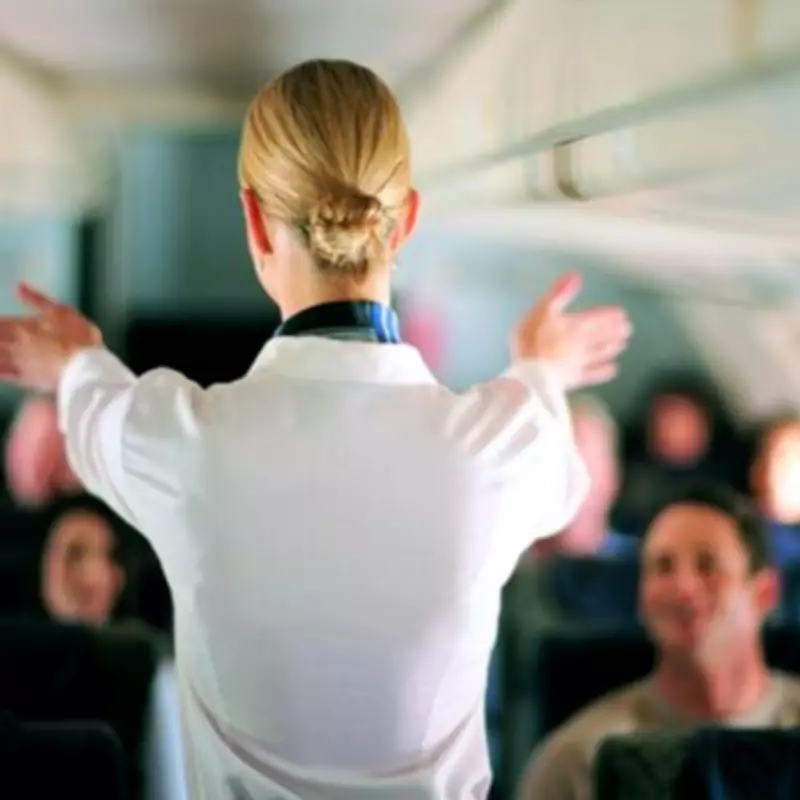
Airline cabin crew develop a unique bond during long flights away from home, relying on each other for support and sharing private jokes to combat monotony. This camaraderie, combined with a strict need for professionalism and passenger privacy, has led to the creation of a secret coded language. This discreet communication allows flight attendants to discuss flight details and passenger behaviours without causing offence or sparking panic among travellers.
The Meaning Behind Common Cabin Crew Codes
If you overhear flight attendants mention a "mermaid," it might be a subtle warning about your behaviour. This term serves as a passive-aggressive nickname for passengers who take up excessive space, such as by spreading themselves or their carry-on bags across multiple seats. Kolin Jones, a pilot and CEO of Amalfi Jets, explains that it's slang used to describe individuals who are "manspreading" or occupying more room than necessary. He advises passengers to adjust their posture if they hear this term nearby to avoid being labelled.
Emergency and Medical Terminology
In situations requiring discretion, such as medical emergencies, cabin crew use codes like "Code 300" or "Angel" to refer to passengers with health issues. Jason Martinelli, director of operations at Cirrus Aviation Services, notes that while medical protocols are standardised globally, specific terminology varies between airlines or crew teams. Announcing emergencies publicly could incite fear or chaos, so coded communication enables calm and efficient coordination between staff, ensuring safety and order are maintained without alarming others.

Other Notable Codes to Watch For
Another term to be wary of is "VIP," which might sound complimentary but often stands for "Very Irritating Passenger." This code is used for travellers who monopolise crew time or cause disruptions. Additionally, "pan-pan" alerts crew to potential problems with passengers or mechanical issues, though it doesn't necessarily indicate aircraft failure. More serious codes, such as "Squawk 7500" or "Hotel," are radio signals from the flight deck for hijackings or critical emergencies, rarely heard in the cabin but crucial for crew awareness.
The Importance of Secret Language in Aviation
This secret language underscores the cabin crew's dual role: maintaining a friendly, composed exterior while managing complex situations discreetly. It helps prevent panic during emergencies and protects passenger privacy, fostering a smoother travel experience. As jet fuel prices rise and travel patterns shift, understanding these codes can offer insight into the behind-the-scenes efforts that keep flights safe and orderly. Next time you fly, listen closely—you might catch a snippet of this hidden dialogue that shapes your journey.