Chinese Electric Vehicle Brands Set to Transform UK Automotive Landscape
Steve Fowler, preparing to attend the China Auto motor show in Beijing, examines the rapid expansion of new Chinese car manufacturers and their imminent impact on British consumers. The event, alternating annually between Beijing and Shanghai, now represents a fundamental shift in global automotive dynamics rather than a conventional industry gathering.
Unprecedented Proliferation of New Automotive Brands
Traditional motor shows once featured familiar marques alongside occasional concept vehicles and rare challenger brands. Today's Chinese automotive exhibitions showcase an entirely different reality, with new manufacturers emerging at an astonishing rate. China has evolved beyond mass vehicle production to systematically generating complete automotive companies with sophisticated design capabilities, advanced technology integration, and competitive pricing structures.
These enterprises benefit from extensive industrial ecosystems that enable development speeds far exceeding those of established Western manufacturers. Unlike gradual startup growth patterns, many Chinese brands arrive fully operational with comprehensive product lines and market strategies.

Established and Emerging Chinese Brands Targeting Europe
Several Chinese manufacturers have already established European footholds, including BYD, Xpeng, Geely, and Leapmotor, while Chery, Omoda, and Jaecoo continue expanding their presence. The forthcoming wave presents even greater challenges for market observers attempting to track new entrants.
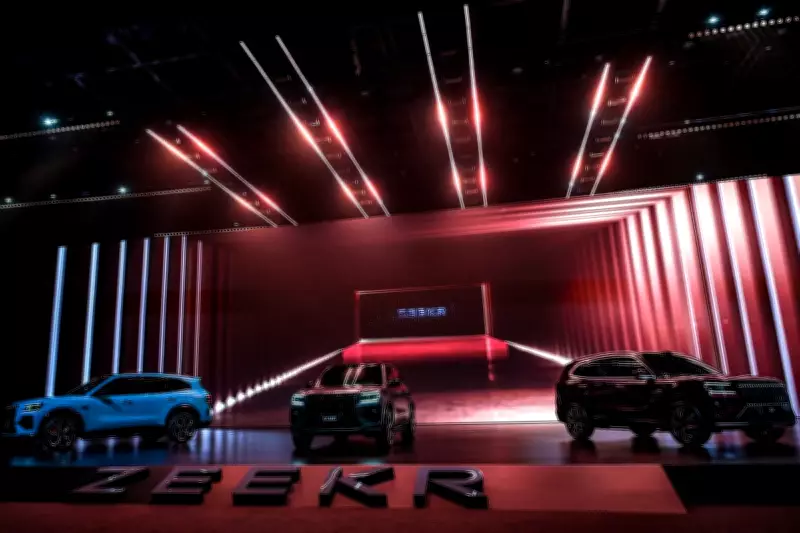
Premium electric vehicle brand Zeekr, owned by Geely, and Denza, the ambitious BYD subsidiary, are advancing toward European markets. Yangwang, another BYD division, targets the high-performance luxury segment with innovative technology approaches. Nio, having impressed industry observers, plans eventual UK introduction through its Firefly and Onvo sub-brands.
Technology Companies Entering Automotive Sector
Xiaomi, primarily known for consumer electronics, now manufactures vehicles at scales and speeds demanding industry attention. Huawei-supported brands like Aito successfully blend automotive and electronics technologies, while Chery's expanding portfolio includes Freelander, Exeed, and Jetour sub-brands targeting specific market segments.
Even established collaborations like IM, backed by SAIC and currently marketed as premium MG models, prepare for expanded European operations targeting territory dominated by Tesla and German luxury manufacturers.
Strategic Positioning and Market Disruption
The remarkable aspect extends beyond quantity to strategic positioning. Some brands directly challenge premium German manufacturers with interior quality and technological sophistication matching established competitors. Others focus on value propositions, undercutting traditional pricing while maintaining respectable range and equipment standards. Additional manufacturers explore previously unrecognized market niches, creating entirely new vehicle categories.
This represents a fundamental departure from European automotive traditions where brand equity developed over decades or centuries. Chinese brand development occurs in accelerated timeframes, supported by digital ecosystems, direct sales models, and consumer bases more receptive to unfamiliar manufacturers than established Western markets.
UK Consumer Opportunities and Uncertainties
British consumers face both expanded opportunities and legitimate concerns. Increased competition typically reduces prices, accelerates innovation, and broadens consumer choice. Chinese manufacturers already claim growing UK market shares, with continued expansion expected as additional brands arrive.
However, significant questions remain regarding unfamiliar brands. Consumers must evaluate manufacturers without historical track records, consider residual value implications, assess dealer and service network robustness, and determine long-term brand viability. These concerns will likely intensify as more Chinese manufacturers establish UK operations.

Industry Implications and Future Developments
Established manufacturers retain advantages of historical reputation and proven reliability, but newcomers demonstrate rapid learning curves through established partnerships and substantial customer experience investments. Some transform perceived weaknesses into strengths, offering over-the-air updates, flexible ownership models, and digital-first interactions aligning with contemporary expectations.
Beijing's motor show now functions as an industry barometer, showcasing not merely vehicles but development velocity, software-hardware integration, and manufacturer confidence. The event demonstrates where automotive futures are actively created rather than merely envisioned.
For industry observers with decades of experience, this transformation proves both fascinating and disorienting. The prospect of struggling to track new manufacturers at a single exhibition seemed improbable recently but now represents industry reality. The precise number of brands entering UK markets remains uncertain, but Zeekr, Denza, Yangwang, Xiaomi, and currently unknown manufacturers will likely feature prominently.