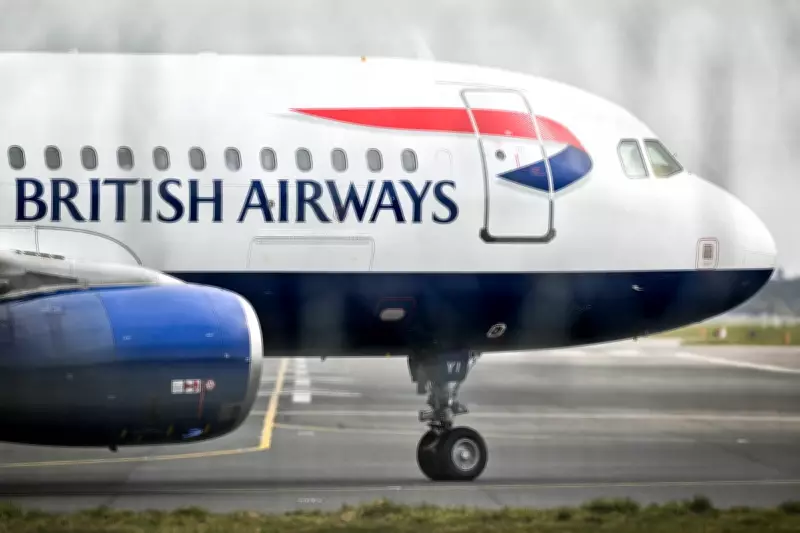
European Airports Warn of Half-Term Holiday Chaos Due to Jet Fuel Shortage
Airports Council International Europe has issued a stark warning that a looming jet fuel crunch could severely disrupt half-term holiday travel and significantly harm Europe's economy. The industry group, representing over 600 airports across 55 countries, has formally alerted the European Commission about the potential crisis.
Imminent Fuel Shortages Threaten Travel Plans
According to the alert, airports throughout Europe could face critical jet fuel shortages within just three weeks if the strategic Strait of Hormuz remains closed. This vital maritime chokepoint for global oil shipments has become a focal point of concern for aviation authorities.
The timing of this potential shortage coincides with the upcoming half-term holiday period, traditionally a peak travel season for families across the continent. Airport operations could be severely compromised, leading to widespread flight cancellations, delays, and logistical chaos for millions of travelers.

Economic Impact Could Be Severe
In their letter to European Commission officials, Airports Council International Europe emphasized that a sustained fuel crunch would "significantly harm the European economy." The aviation sector represents a cornerstone of European economic activity, with air connectivity contributing approximately €851 billion annually to the continent's gross domestic product.
Beyond direct economic contributions, the aviation industry supports an estimated 14 million jobs across Europe. Airports also handle approximately 26 percent of Europe's exports by value, based on comprehensive data from an ACI study conducted through 2019. Any disruption to this critical infrastructure would have cascading effects throughout multiple economic sectors.
Industry Calls for Urgent Action
The warning comes as European authorities monitor the situation in the Strait of Hormuz, a narrow passage between the Persian Gulf and the Gulf of Oman through which approximately one-fifth of the world's petroleum passes. Any prolonged closure of this strategic waterway would have immediate consequences for global fuel supplies, with European aviation among the first sectors to feel the impact.
Airport operators are now preparing contingency plans while urging policymakers to develop coordinated responses to mitigate potential disruptions. The coming weeks will be critical for determining whether alternative fuel supplies can be secured or whether Europe faces its most significant aviation fuel crisis in recent memory.
This remains a developing situation with potential implications for holiday travel, economic stability, and international trade relations. Further updates are expected as European authorities assess the situation and formulate response strategies.