New EU Entry/Exit System Fully Operational: What British Travellers Must Know
The European Union's Entry/Exit System (EES) has officially launched in full force as of Friday, 10 April 2026, marking a significant shift in border procedures for British citizens heading to popular European destinations. This digital border system replaces the traditional manual passport stamping process, introducing new requirements that could affect holiday plans.
Key Details of the EES Implementation
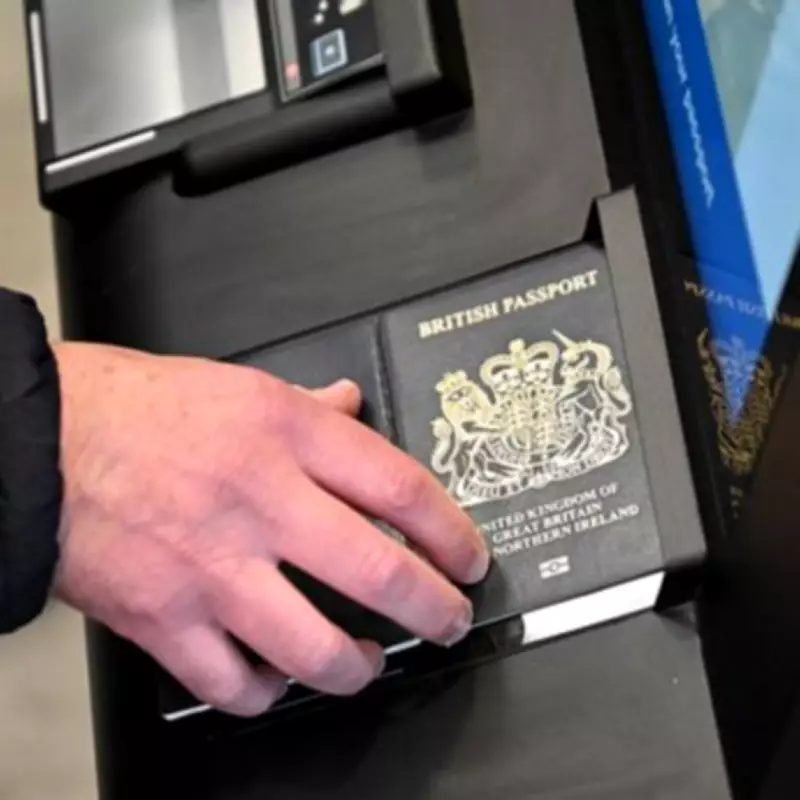
Under the new rules, Brits travelling to the Schengen area—which includes countries such as France, Spain, Italy, Germany, and Greece—must now register their biometric details upon first entry. This involves providing fingerprints and a photograph at the airport border, a process that is free of charge and does not require any pre-travel preparation. The EES registration creates a digital record that is valid for three years, streamlining future entries and exits within that period.
It is important to note that the EES does not apply to travel into the Republic of Ireland or Cyprus, as these nations are not part of the Schengen zone. The system aims to enhance border security and efficiency, but authorities have warned that initial checks may lead to delays, advising travellers to allocate extra time at airports.

Potential Impacts and Expert Advice
With the full rollout following a partial introduction in October 2025, British holidaymakers should anticipate possible hold-ups. Luke Petherbridge, director of public affairs at ABTA, has recommended that passengers prepare for extended wait times by bringing additional water and snacks. While the EES may add a few minutes to border procedures, once registered, subsequent trips within the three-year window will only require a quick fingerprint or photo verification.
The government has emphasised that this change is part of broader EU security measures, and travellers are encouraged to stay informed through official channels. As the system becomes standard, it is expected to normalise, but initial adjustments may disrupt travel schedules.