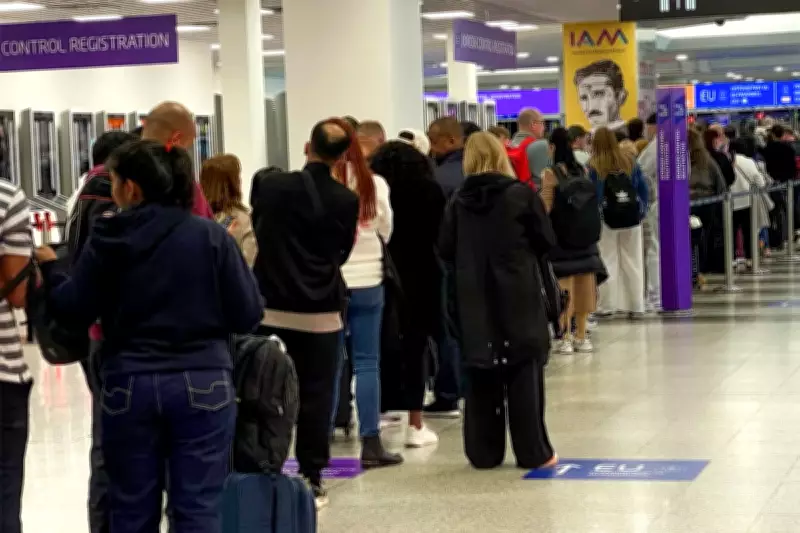
The European Union is rolling out a significant new border control mechanism that will directly impact British citizens travelling to Europe. The Entry-Exit System (EES) represents a major shift in how border crossings are managed for UK passport holders visiting the Schengen Area.
What is the EES and How Does It Work?
Designed to digitise and streamline border controls, the EES will require British travellers to provide fingerprints and facial biometrics upon their first entry into the Schengen zone. This system replaces the traditional manual passport stamping process that has been in place for decades.
As 'third-country nationals' following Brexit, UK citizens will be subject to these new requirements. The EES will automatically track the duration of stays, enforcing the existing 90-day limit within any 180-day period that applies to non-EU visitors.

Implementation Timeline and Delays
The system has experienced multiple postponements, but current projections indicate full implementation by 7 September 2026. This date represents the latest in a series of delays that have pushed back the original rollout schedule.
Once operational, the EES will create a digital record of each traveller's entry and exit from the Schengen Area, providing border authorities with real-time information about compliance with stay limitations.
The Etias System: What Comes Next
Following the implementation of EES, the European Union plans to introduce the European Travel Information and Authorisation System (Etias). This additional requirement will oblige British visitors to obtain an online travel permit before their journey.
Similar to the United States' Esta system, Etias will cost approximately €20 and will be valid for multiple entries over a three-year period. The application process will involve submitting personal details and undergoing background checks through an online portal.
Important Considerations for Travellers
It's crucial to understand that Etias approval does not guarantee entry into any Schengen country. Border officials retain the authority to deny entry based on individual circumstances or security concerns.
The Etias system is expected to become operational approximately six months after the EES is running smoothly, creating a two-phase implementation of new travel requirements for British citizens visiting Europe.
These changes represent the most significant alteration to travel procedures between the UK and Europe since Brexit, marking a new era of digital border management and increased documentation requirements for British travellers.