Hammersmith Bridge: A Seven-Year Saga of Inaction and Frustration
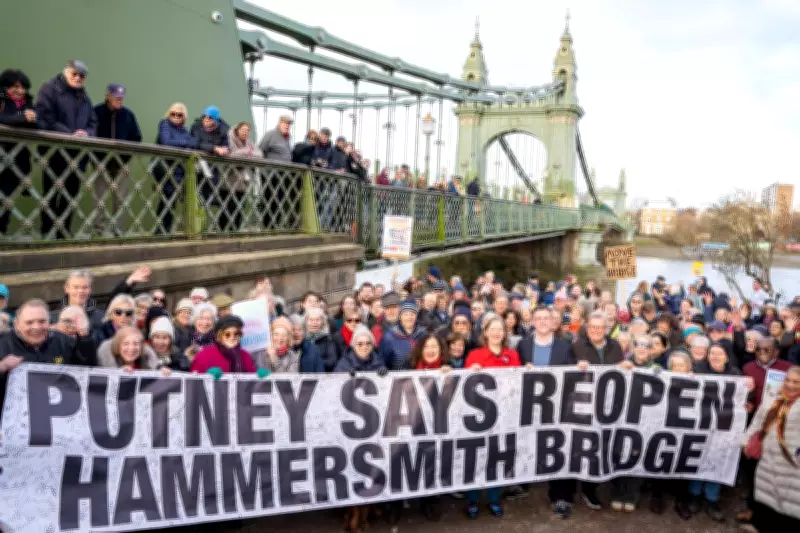
Seven years after its sudden closure, Hammersmith Bridge stands as a stark symbol of bureaucratic paralysis and infrastructural neglect. The historic crossing, which links Hammersmith with Barnes, was shut down on 10 April 2019 after alarming cracks were discovered in its pedestals. Despite initial hopes for a swift resolution, the bridge remains inaccessible to cars, leaving residents and politicians alike grappling with what many describe as a national embarrassment.
The Human Cost of Closure
For local communities, the impact has been profound. Nigel Edwards, chair of the Hammersmith Bridge SOS Steering Group, highlights the drastic reduction in traffic: "It went from 20,000 cars a day down to nobody going over it at all." Emergency vehicles are unable to cross, and less-abled residents face lengthy detours via Putney or Chiswick bridges, turning a five-minute journey into a 50-minute ordeal. The bridge previously served as a vital route for Roehampton residents, including those from one of London's largest council estates, now left isolated by the closure.
Political Wrangling and Funding Disputes
The complexity of the situation is compounded by overlapping responsibilities. The London Borough of Hammersmith and Fulham (LBHF) holds primary responsibility, but as a Grade II listed structure, costs were agreed to be shared equally with Transport for London (TfL) and the Department for Transport (DfT) in 2021. So far, LBHF has spent £54 million on stabilisation works, yet awaits £20.2 million in reimbursements from central government and TfL.

Fleur Anderson, Labour MP for Putney and a member of the Hammersmith Bridge Taskforce, criticises years of "ridiculous political wrangling" under Conservative ministers, exacerbated by distractions like the Covid-19 pandemic and Partygate scandals. She notes that rising steel prices, driven by the Ukraine war, have inflated repair costs monthly, adding urgency to the situation.
A Glimmer of Hope: The Structures Fund
Recent developments offer a faint ray of optimism. A new £1 billion government Structures Fund, dedicated to repairing dilapidated bridges nationwide, has identified Hammersmith Bridge as a "good candidate for investment." Simon Lightwood MP, minister for roads and buses, confirmed this in a recent letter, though details on funding amounts and timelines remain vague.
Anderson expresses cautious hope: "It's not a no. It's a yes, we'll keep looking into it." However, the taskforce has not met since January 2025, with future meetings contingent on confirmed funding from the Structures Fund.
Repair Options and Broader Implications
The taskforce has explored multiple repair strategies, including:
- Building a temporary bridge within the existing structure
- Constructing a parallel bridge
- Implementing a double-decker Foster-Cowi system (costing up to £300 million)
- Complete rebuilding
Concerns extend beyond Hammersmith, with the 19th-century Albert Bridge in Chelsea also facing closures for repairs, raising fears of a similar protracted saga.
Looking Ahead
The DfT maintains that repair and maintenance are LBHF's responsibility, though it acknowledges providing £17 million to keep the bridge open for pedestrians and cyclists. For now, all hopes hinge on the Structures Fund, with Anderson summarising the frustration: "People are really, really frustrated that the congestion we see on our roads and the pollution as a result are still continuing." As the bridge marks its seventh year in limbo, the question remains: when will this historic crossing finally be restored to full use?