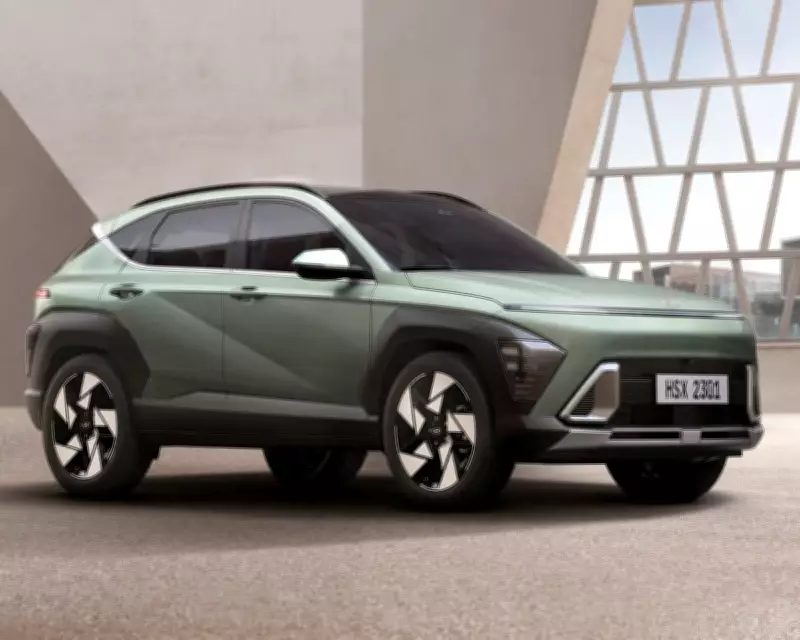
Hyundai Recalls Thousands of Electric Vehicles in Australia Over Battery Fire Risk
Hyundai has issued a local recall for almost 5,000 electric vehicles in Australia due to a critical fault with battery management software that could lead to fires while the cars are recharging or parked. This move is part of a broader global recall affecting over 100,000 vehicles.
Affected Models and Production Years
The recall specifically targets two Hyundai models: the Kona EV manufactured between 2018 and 2023, and the Ioniq EV produced from 2018 to 2022. Owners of these vehicles will be contacted by the manufacturer to arrange for an assessment and necessary repairs.
Details of the Fault and Safety Concerns
According to the federal transport department, the recall involves 3,478 Hyundai Kona electric cars and 1,402 Ioniq EVs. The issue stems from a software problem in the Battery Management System that may cause an electrical short circuit. This defect significantly increases the risk of a vehicle fire, which could pose serious injury or death to occupants, other road users, and bystanders.

Hyundai Australian dealers are tasked with diagnosing the car batteries and implementing either a software update or a hardware fix to address the fault. This announcement follows a worldwide warning issued by the South Korean manufacturer in March, which highlighted potential risks across 104,011 models.
Historical Context and Previous Recalls
This is not the first time Hyundai has faced battery-related issues with its electric vehicles. In 2021, batteries in the Ioniq model were recalled and replaced due to a manufacturing defect. The current recall comes almost five years after similar concerns were raised in Australia, underscoring ongoing challenges in electric vehicle safety.
Electric Vehicle Fire Statistics in Australia
Despite widespread concerns about battery-powered cars, data from EV Firesafe indicates that only 13 electric vehicles have been involved in fires in Australia between 2021 and March 2026. Of these incidents, two were caused by arson attacks, four resulted from high-speed collisions, three were due to external fires, and the remaining cases are still under investigation.
Broader Implications and Industry Response
The recall highlights the importance of robust software and hardware systems in electric vehicles as the market continues to expand. Hyundai's proactive measures aim to mitigate risks and ensure consumer safety, but the incident may influence public perception and regulatory scrutiny in the evolving electric vehicle sector.