Pilots Face Job Threats Over Safety Refusals in Middle East Conflict Zones
Airline pilots operating flights in the Middle East during the ongoing Iran war are confronting intense professional pressure, with many fearing severe repercussions including job loss or financial penalties if they decline assignments due to safety concerns. Ron Hay, president of the International Federation of Air Line Pilots' Associations (IFALPA), disclosed that aviators worldwide have expressed "widespread" anxieties about potential sanctions from their employers.
Widespread Fear of Retribution Among Aviation Crews
Pilots from countries ranging from Lebanon to India have reported fears of retribution should they refuse to fly in unpredictable conditions where airspace can close abruptly due to missile or drone strikes. "There is an underlying fear of retribution," Hay stated in his first interview on this critical issue, emphasizing the precarious position many pilots find themselves in as they balance safety with career stability.
These concerns have surfaced even as some Middle Eastern carriers resume flight operations, despite a fragile two-week ceasefire facing challenges amid persistent regional attacks. Hay, who also serves as a Delta Air Lines captain, explained that while some pilots worry about outright dismissal, others face subtler pressures like unpaid leave for declining trips.

Safety Culture Deficiencies Exacerbated by Conflict
Hay declined to identify specific airlines but criticized management practices that discourage pilots from voicing safety concerns. "That's been lacking in the Middle East region for quite some time and it's just been exacerbated by this conflict," he noted, highlighting how the war has intensified existing flaws in aviation safety cultures.
IFALPA, based in Montreal, represents pilot associations in Bahrain, Egypt, Israel, Kuwait, and Lebanon, though major Gulf carriers in the United Arab Emirates and Qatar remain non-unionized. While these carriers assert their commitment to safety, operating through regulator-approved corridors, pilots report inadequate risk guidance and support.
International Regulatory Responses and Ongoing Operations
Following the ceasefire announcement, the European Union Aviation Safety Agency extended its ban on European airlines operating in Gulf country airspaces, including the UAE and Qatar, until April 24. However, carriers based in Dubai, Doha, and Indian airlines continue flights, raising further safety debates.
In response to pilot anxieties, IFALPA published a paper this week asserting that pilots must have a "non-negotiable" say on safety matters. "There is a deep concern within the region, which is part of the reason the paper was generated," Hay explained.
Mental Health and Operational Risks Highlighted by UN Agency
A bulletin issued by the UN's aviation agency on Thursday declared mental health risks in conflict zones as "safety critical," noting that personnel in these areas experience heightened stress, anxiety, and fatigue. This official recognition underscores the psychological toll on aviation crews operating near hostilities.
Pilots flying into the region have lamented the lack of clear guidance on risks, complicating contingency planning for sudden airport closures due to drone attacks. In late March, Indian IFALPA members labeled Air India's continued Gulf operations a "grave concern," urging regulators to suspend flights until comprehensive risk assessments are conducted.
Broader Impacts on Pilot Well-being and Daily Life
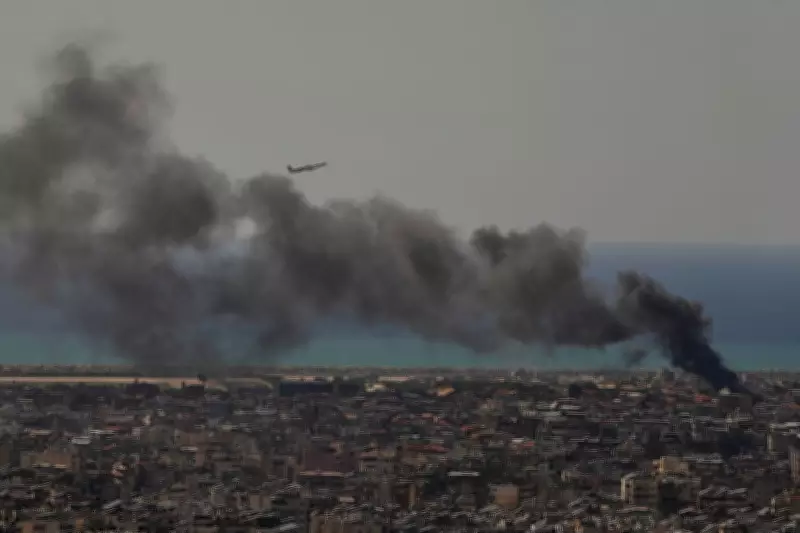
The conflict's effects extend beyond cockpit concerns. Hay recounted a recent query from Beirut-based members whose challenges persisted after landing. "The roads between the airport and their house had been completely bombed," he said. "They didn't even know how they could get home." This illustrates the profound personal and logistical hardships facing aviation professionals in war-torn regions.
Despite attempts by Reuters to contact Gulf-based pilots for insights, all declined to comment even anonymously, reflecting the climate of fear and caution surrounding this issue. As the conflict continues, the aviation industry faces mounting pressure to prioritize crew safety and mental well-being over operational demands.