Rail Ticket Refund Rules Tighten, Sparking Debate Over Fraud and Fairness
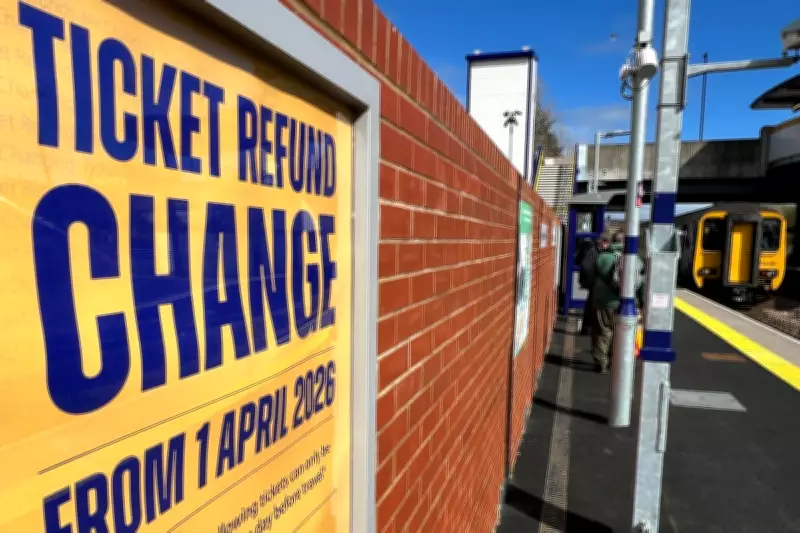
Regular rail travellers across the UK have recently encountered a prominent poster campaign at stations nationwide, alerting them to significant changes in ticket refund regulations that came into effect on April Fool's Day, 2026. This shift marks a pivotal moment in the railway industry's approach to ticket management and fraud prevention.
New Refund Regulations: A Closer Look
Starting from 1 April 2026, passengers who purchase "anytime" or off-peak tickets, which permit travel on a variety of trains, can only obtain a refund if they apply before the ticket becomes valid. For instance, consider a passenger investing £193 in a one-way ticket for the 7am Avanti West Coast express from Manchester to London. Under the new rules, they must decide by 11.59pm the night before not to travel to claim a refund, minus a £5 administration fee. This contrasts sharply with the previous policy, which allowed refunds on the intended day of travel or within the following four weeks.
Industry Rationale: Combating Fraud
The rail industry asserts that this change is essential to crack down on fraud, which is estimated to cost train operators, and by extension taxpayers, approximately £40 million annually. Previously, the system was vulnerable to exploitation, as individuals could purchase tickets and attempt journeys without having their tickets clipped or scanned, particularly at open stations without barriers, such as unstaffed halts or major junctions like York. Some would "tailgate" through automatic gates. If successful, they could then submit their ticket for a refund, effectively reducing the cost of any journey to just the £5 admin fee.

This practice was seen by some regular commuters as a risk-free form of fare-dodging. While sometimes tickets were registered as used, often they were not, leading to significant revenue losses. Honest passengers who benefited from the old rules, such as those whose plans changed for personal or professional reasons, will now face disadvantages under the new system.
Passenger Reactions and Criticisms
The response to these changes has been mixed and vocal. On social media, some critics argue that the real fraud lies in the high ticket prices charged by railways, with one reader, James Goodliffe, questioning if the government paid for supportive coverage. Others, like Neil McG, pointed out the irony of a travel correspondent who often travels for free commenting on the issue.
Concerns have also been raised about passengers who fall ill on the day of travel, potentially being penalised. However, the rail industry insists it will consider exceptional circumstances, such as sickness, generously. In cases of disruption, such as cancellations or excessive delays, passengers will still be eligible for refunds if they cannot make their journey.
Expert Opinions and Alternatives
Rail commentator Philip Haigh suggested that a better solution might be for rail companies to improve ticket checking procedures. Gareth Dennis rejected the notion that the old rules were a loophole, attributing the issue to the de-staffing of railways. He warned that this policy change could lead to reduced overall revenue as disgruntled passengers may avoid rail travel in the future.
Conversely, many regular travellers were unaware of how easy refunds were to obtain until seeing the station posters. Some propose adopting continental systems to eliminate fraud, such as requiring paper tickets to be stamped on departure platforms or offering refunds up to departure for specific train tickets, as seen in Italy.
Implications for Future Travel
With no price advantage to buying tickets ahead of time under the new rules, passengers might opt to purchase on the day of travel, shortly before departure, to avoid cancellation risks. However, this poses a catch for intercity routes, where booking ahead often secures seat reservations. While some journeys allow reservations before ticket purchase, not all do, potentially complicating travel planning.
As the debate continues, the rail industry faces the challenge of balancing fraud prevention with passenger fairness. Whether these changes will achieve their intended goals or backfire remains to be seen, but they undeniably reshape the landscape of UK rail travel.