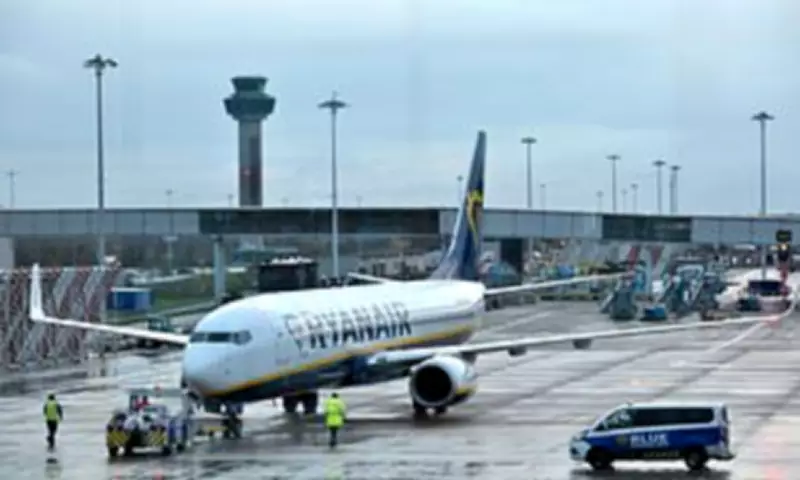
Ryanair Flight Diverts to Stansted After Pilots Detect Fuel Leak Mid-Air
A Ryanair Boeing 737 Max aircraft was compelled to execute an emergency diversion while en route to Manchester Airport, following concerns over a potential fuel leak. The incident, which occurred on April 24, 2025, involved flight FR1234 departing from Venice with 191 passengers aboard.
AAIB Investigation Uncovers Critical Pilot Oversights
The Air Accident Investigations Branch (AAIB) published a detailed report on April 9, scrutinising the sequence of events. According to the findings, pilots initially observed a developing fuel imbalance during the flight and initiated a cross-feeding procedure to rectify the situation. However, as the journey progressed, the imbalance worsened, ultimately revealing a confirmed fuel leak in the right engine.
The report explicitly states that the cabin crew did not witness any visible signs of fuel spray from the engine or its strut during the incident. This absence of overt indicators may have contributed to the delayed diagnosis.

Pilot Decisions Increased Landing Risks
Investigators concluded that the flight crew completed the initial fuel balancing process from memory and "did not consider the possibility of a fuel leak". This oversight, officials noted, significantly delayed the accurate identification of the problem. Furthermore, the pilots did not fully action the non-normal emergency checklist, which would have mandated the shutdown of the affected engine.
As a result, when the aircraft eventually landed at London Stansted Airport, "the use of thrust reverse with a fuel leak increased the risk of fire" due to fuel vapour being exposed to the hot engine components. The aircraft was met by fire crews upon arrival, who confirmed active fuel leakage from the right engine.
The AAIB calculated that, had the flight continued to its original destination of Manchester, it would have consumed all additional reserve fuel, posing a severe safety threat.
Ryanair Responds to Investigation Findings
A spokesperson for Ryanair addressed the report, stating, "Ryanair fully participated in this AAIB investigation. The report issues no safety recommendations for Ryanair." The airline has been contacted for further comment regarding the specific pilot actions highlighted in the findings.
Recent History of Ryanair Fuel-Related Incidents
This event follows another concerning incident involving a Ryanair-operated flight last year. On October 3, a Malta Air flight operating on behalf of Ryanair, travelling from Pisa to Glasgow Prestwick Airport, issued a "fuel Mayday" alert amidst Storm Amy's 100mph winds.
The aircraft, a Boeing 737-800, made several unsuccessful landing attempts at Prestwick and Edinburgh Airports before diverting to Manchester. It landed safely with approximately 220kg of fuel remaining—equivalent to just five or six minutes of flying time, far below the mandatory 30-minute reserve for this aircraft type.
Passenger Alexander Marchi described the harrowing experience to local media, noting severe turbulence and abrupt aborted landings. "We realised how bad things had been after seeing the images after finally landing at Manchester with almost no fuel," he said, adding that relief was palpable among passengers.
A Ryanair spokesman stated that the October incident was reported to authorities and is subject to an ongoing investigation, with the airline cooperating fully.
These consecutive events underscore ongoing scrutiny of fuel management and emergency protocol adherence within certain airline operations, highlighting the critical importance of rigorous checklist compliance and situational awareness in cockpit decision-making.