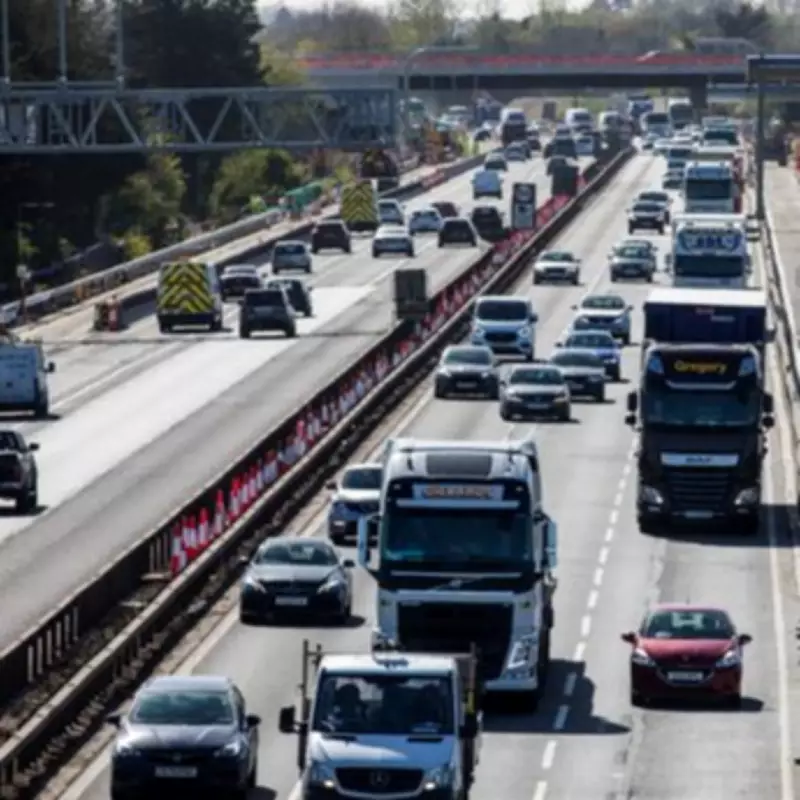
Smart Motorway Anxiety Doubles as AA Warns of Safety Crisis
New research from the AA has uncovered a dramatic surge in driver anxiety regarding the use of "smart" motorways across England. The proportion of motorists reporting feelings of nervousness or anxiety when using these controversial roads has doubled over the past year, raising urgent questions about public confidence and safety protocols.
Sharp Rise in Driver Apprehension
A comprehensive survey of 12,705 AA members revealed startling statistics about the psychological impact of smart motorway infrastructure. On motorways where the hard shoulder has been permanently converted into a running lane, relying instead on emergency refuge areas spaced approximately three-quarters of a mile apart, the percentage of drivers experiencing anxiety jumped from 23% to 46% in just twelve months.
Even on controlled motorways where the hard shoulder is only opened to traffic during peak periods, anxiety levels saw a significant increase, rising from 30% to 47% among those polled. This data suggests a growing unease among the driving public that transcends the specific configuration of smart motorway technology.

Safety Concerns and Fatal Flaws
The anxiety figures emerge against a backdrop of serious safety concerns that have plagued smart motorways since their introduction. Critics point to fatal flaws in the system, with at least 79 people killed on smart motorways between 2010 and 2024. Analysis has further revealed that drivers who experience breakdowns on motorways without a permanent hard shoulder face approximately three times greater risk of being killed or seriously injured compared to those on conventional motorways.
Edmund King, President of the AA, emphasised the gravity of the situation, stating: "What the AA and our members would like to see is the return of the hard shoulder in a controlled motorway environment. Until that concern is properly addressed, it's hard to see confidence in smart motorways recovering."
Scrapped Plans and Lingering Uncertainty
In April 2023, the Conservative government announced it was abandoning plans for all new smart motorway projects, citing "lack of public confidence felt by drivers and cost pressures." This decision followed years of mounting criticism and safety concerns about the technology, which was originally designed to ease traffic flow by utilising the hard shoulder as an extra lane during busy periods.
Despite this policy reversal, concerns persist about the 396 miles of smart motorways already operational in England as of April 2024. The AA argues that the decision to scrap the building programme has left drivers unclear about how safety on existing smart motorways is being independently reviewed and monitored.
Calls for Transparency and Action
The motoring organisation is calling for greater transparency and consistency in how motorway safety is assessed, along with the urgent release of performance reports for several stretches of motorway where smart technology remains in place. Mr King explained the importance of these documents: "These safety reports are vital in understanding how the smart motorways experiment has fared. By continuously delaying their release, it is feared that the drawbacks outweigh the benefits. Regardless of what these documents say, they need to be published immediately."
Government Response and Safety Claims
A Department for Transport spokesperson defended the existing infrastructure, stating: "Smart motorways remain our safest roads in terms of deaths or serious injuries. We continue to monitor their performance and have invested significantly to improve them, including rolling out over 150 more emergency areas to give users peace of mind."
The spokesperson added: "While our roads are ranked amongst the safest in the world, we're raising standards further with our Road Safety Strategy, the first in more than a decade." This statement highlights the ongoing tension between official safety statistics and the lived experience of drivers navigating these increasingly controversial road networks.
The doubling of driver anxiety within a single year represents a significant challenge for transport authorities, suggesting that technical safety improvements alone may not address the psychological barriers affecting motorist confidence on Britain's smart motorways.