UK-Middle East Flight Suspensions Extended Amid Regional Conflict
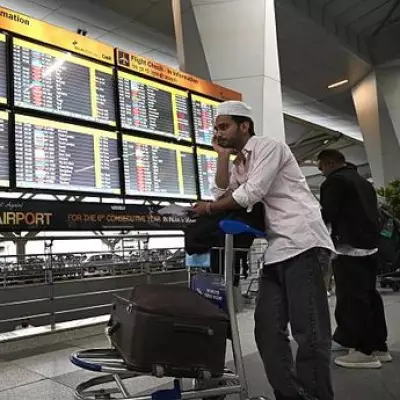
Flights between the United Kingdom and key Middle Eastern destinations will remain suspended until at least Monday, major airlines have confirmed, as regional airspace closures continue following military escalation between Iran, the United States, and Israel.
Airline Statements on Operational Disruptions
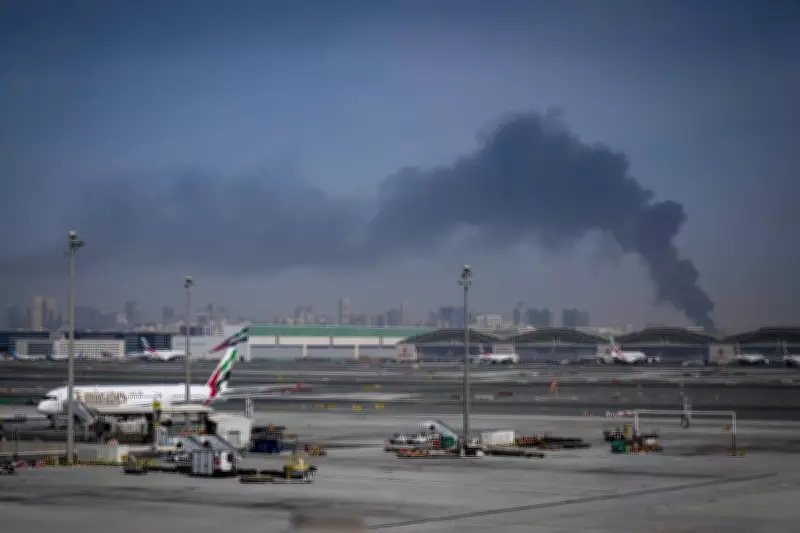
In a statement published on social media platform X on Sunday morning, Emirates announced: "Due to multiple regional airspace closures, Emirates has temporarily suspended all operations to and from Dubai, up until 3pm UAE time on Monday March 2." The airline advised passengers booked to travel before or on March 5 to either rebook on an alternate flight or request a full refund. "We are actively monitoring the situation and engaging with relevant authorities," Emirates added, emphasizing that passenger and crew safety remains their highest priority.
Etihad Airways issued similar guidance, stating on X: "Regional airspace closures continue to impact Etihad's operations, and all flights to and from Abu Dhabi are suspended until 2am UAE time on Monday March 2." The airline urged passengers to check flight statuses online before traveling to airports and update contact details in bookings. Etihad noted it is experiencing high call volumes and warned that schedules may change at short notice as the situation remains dynamic.

Qatar Airways confirmed on Saturday night that flights remain temporarily suspended due to Qatari airspace closure, with operations to resume once authorities announce safe reopening. The airline also warned passengers about fraudulent accounts impersonating airline staff online, clarifying that Qatar Airways will never request sensitive information like passwords or banking details via social media.
Background to Airspace Closures
The flight suspensions follow military action by US and Israeli forces against Iran on Saturday morning, described by both countries as a pre-emptive strike against Tehran's nuclear weapons development program. This prompted immediate retaliation from Iran, with missiles reportedly targeting Israel and other countries across the Middle East region.
Key aviation hubs affected include Dubai International Airport, Abu Dhabi International Airport, and Doha's Hamad International Airport, all critical connection points for UK travelers to the Middle East and beyond.
Current Flight Statistics and Travel Advice
According to aviation analytics company Cirium, 83 flights were still scheduled to operate between the UK and Middle Eastern destinations on Sunday despite the widespread disruptions. Meanwhile, the UK Foreign, Commonwealth and Development Office has advised British nationals in several affected countries to register their presence with the government to receive direct updates.
In a statement published on X, the FCDO specified: "British nationals in Bahrain, Israel, Palestine, Qatar and United Arab Emirates can register their presence to receive direct updates from the FCDO on the situation in the Middle East. You should continue to follow travel advice and the advice of the local authorities."
The extended flight suspensions represent significant disruption to air travel between the UK and Middle East, with airlines emphasizing their commitment to resuming normal operations as soon as regional conditions permit safe aviation activities.