Gardeners across the UK are being urged to turn their plant pots upside down this week as soaring temperatures put frogs, toads and newts at risk of dehydration. Wildlife experts warn that when the mercury climbs above 30°C, amphibians can quickly become distressed if they cannot find damp, shaded places to shelter.
Simple Actions Make a Big Difference
According to Froglife.org, a simple step is to place unused pots upside down around the garden. The small gaps underneath create cool, shaded hiding spots where amphibians can escape the hottest part of the day. This advice comes as a heatwave grips much of the country, with temperatures expected to remain high for several days.
Common frogs and newts tend to stay close to ponds during warm weather, where they are better protected from heat. Common toads, however, spend much of the summer on land and rely on cool, sheltered spots to avoid drying out. Turning pots upside down provides an ideal refuge for these terrestrial amphibians.

Enhancing Garden Ponds
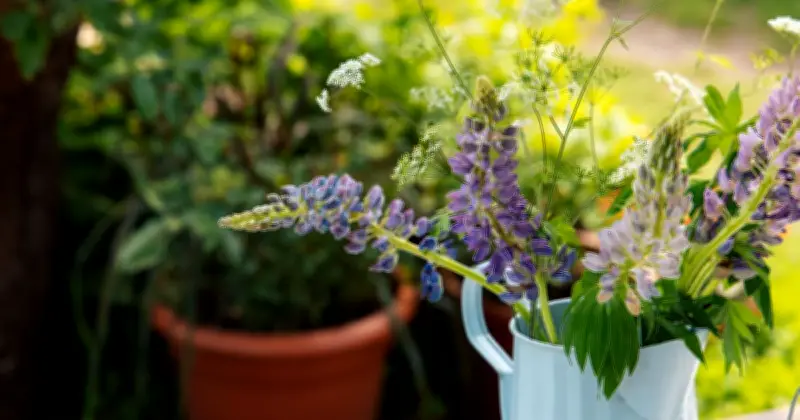
For those with a garden pond, adding more shade can also help. Pots filled with plants can be placed around the southern edge of the pond to reduce direct sunlight. A mixture of underwater and marginal plants provides extra cover for wildlife, helping to keep the water temperature lower.
Gardeners are also encouraged to leave patches of loose, damp soil beneath shrubs or other planting. Amphibians will often burrow underground when conditions become too hot, and watering these areas can help keep the soil cool for longer.
Letting Gardens Grow Wilder
Allowing part of the garden to grow a little wilder can also benefit wildlife. Long grass, leafy shrubs and small areas of weeds provide valuable shade, while piles of logs, rocks and dead leaves offer cool places to hide. Creating a compost heap is another simple way to support wildlife, as it provides shelter for frogs, toads and newts, as well as a refuge for reptiles and a wide range of insects.
Reptiles Thrive in Heat
Unlike amphibians, reptiles are much better suited to hot, dry weather because their skin loses far less moisture. Species including common lizards, grass snakes and adders are often at their most active during warm conditions as they hunt for food. However, gardeners are reminded that all wildlife benefits from access to water and shade during extreme heat.