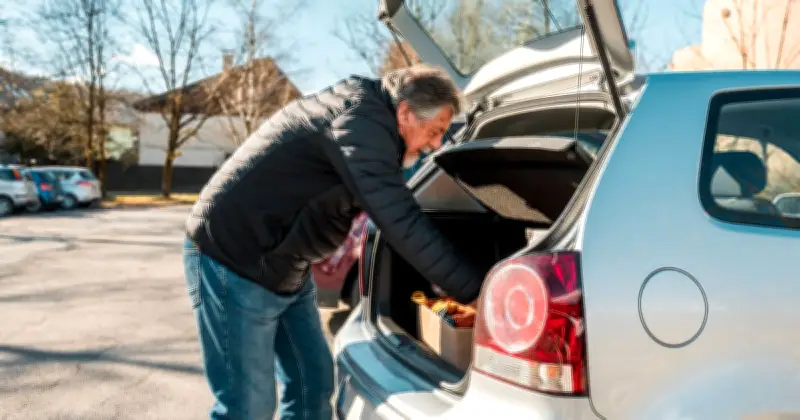
Drivers are being warned to remove everyday items from their parked cars as the Met Office forecasts temperatures soaring to 30C and above by Wednesday. Stationary vehicles can heat up rapidly, turning interiors into extreme environments that can damage or degrade common belongings.
Met Office heat forecast
The Met Office predicts a progressive rise in temperatures across the UK, with southern England potentially reaching 30C by Wednesday. Some regions in the south and southeast could hit 33C on Wednesday and 34C on Thursday. On Tuesday, the Met Office states: "Further rain or showers affect northern areas, though generally less heavy. Cloudy in Northern Ireland and northwest England with patchy drizzle. Elsewhere dry and sunny, feeling very warm to hot." From Wednesday, it adds: "Cloudy and rain start to clear across the north with some outbreaks across western Scotland. Fine and dry elsewhere with plenty of sunny spells and staying hot in the south."
Risks of leaving items in hot cars
Health specialists and automotive experts have issued a checklist of items that should never be left in a parked car during hot weather. Medicines, aerosol cans, fizzy beverages, smartphones, and battery-powered gadgets are among the typical belongings stored in door compartments, boots, and glove boxes. Official guidance warns that small, enclosed spaces like parked vehicles can heat up rapidly, and that babies, children, elderly individuals, and pets must never be left unattended in cars.

Medication dangers in heat
Leaving medication in a hot car can render it unsafe or ineffective. Rhysa Phommachanh, Health Specialist at Landys Chemist, identifies eight common medications affected during the heatwave:
- Insulin: Can become less effective when exposed to high temperatures, reducing its ability to control blood sugar levels.
- EpiPens (adrenaline auto-injectors): May become less stable above 25°C, potentially reducing dose reliability during allergic reactions.
- Inhalers (asthma medication): Heat can cause pressure changes inside the canister, altering medication release and dosing accuracy.
- Diuretics (water tablets): Increased urine output can lead to dehydration faster in hot weather, hindering temperature balance.
- Antihistamines: Can have a drying effect and reduce sweating, limiting the body's ability to cool itself.
- Antidepressants: Some interfere with the brain's temperature regulation and sweating, raising the risk of overheating.
- Antibiotics: Certain types can cause photosensitivity, making skin more reactive to UV light and increasing sunburn risk.
- Acne treatments: Retinoids can thin or sensitise skin, making it more vulnerable to UV damage.
Rhysa said: "Most medications should be stored in a cool, dry place. Exposing them to high temperatures in parked cars, direct sunlight, or humid bathrooms can cause them to degrade and fail to work properly. Always check your patient information leaflet for specific storage instructions, stay well hydrated, apply high-factor sunscreen, and definitely speak to a pharmacist if your medicine changes colour, smell, or texture."
A statement from automotive retail group Dick Lovett's website reads: "If they aren't stored at the right temperature, medicine can lose its effectiveness, break down chemically, and even become dangerous. EpiPens, for example, can misfire or fail to deliver a full dose if exposed to heat. As such, always carry your medications with you, ideally in a small insulated pouch, and never leave them in a parked car."
Other items to remove from cars
Aerosol products like deodorants and hairspray can build pressure at elevated temperatures and become hazardous. Gadgets with lithium-ion batteries, such as mobile phones and portable chargers, risk battery damage and potential fire in extreme heat. Vaping devices and e-liquids should also be stored away from heat and sunlight, as rechargeable batteries and liquids can be compromised. Carbonated beverages can expand and burst or spray when opened. Sunscreen can alter composition and leak, reducing protection. Perishable groceries can quickly reach unsafe temperatures in a hot vehicle.