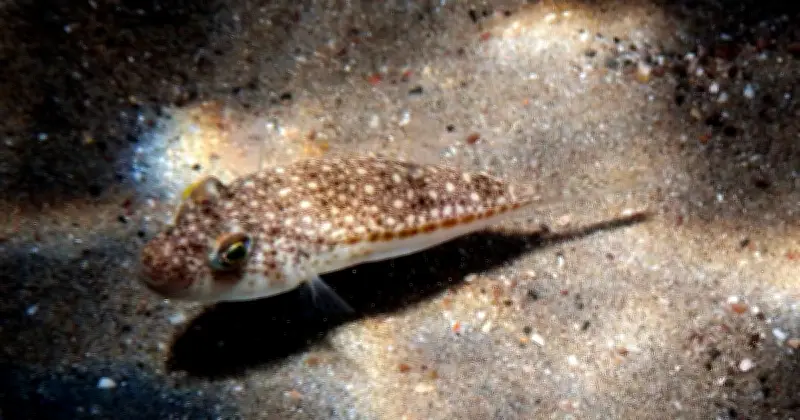
The silver-cheeked pufferfish, a toxic and aggressive invasive species, has been confirmed in coastal waters across five popular Mediterranean tourist destinations: Greece, Spain, Italy, Turkey, and Israel. First recorded in the eastern Mediterranean in 2003 and Greek waters in 2005, the fish has proliferated rapidly due to warming waters and increased salinity linked to climate change.
Dangerous Bite and Toxin
The fish possesses a beak-like mouth lined with fang-like teeth strong enough to sever a finger in a single bite. Viral videos have shown it crunching through bone, wood, metal, and even Coca-Cola cans. Additionally, it carries tetrodotoxin, a potent neurotoxin that can cause heart and lung failure. The fish is unsafe for consumption, and contact with its remains can poison dogs and humans.
Impact on Fishermen and Locals
Fishermen across the region report significant damage to their nets, which are shredded after only hours in the water. Greek fisherman Alexis Charalampakis stated: “If one of them bites you, it will simply cut off your finger. They destroy the sea. They don’t leave anything behind.” In Varkiza near Athens, an elderly woman required stitches after a pufferfish lunged at her. In Israel, a dog was hospitalized and placed on a ventilator after licking a dead specimen on a Netanya beach. The dog's owner told Ynet News: “She could barely walk, was disoriented and began showing symptoms of neurological damage.”

Mitigation Efforts
Greece has deployed floating sea barriers originally installed to combat jellyfish, with 2.5 kilometers already in place around Evia and an additional seven kilometers planned. The Greek Red Cross has issued urgent advice: clean bites thoroughly, apply pressure, and seek immediate medical help. Turkey has reported serious incidents involving children and swimmers.
Scientific Perspective and Advice
Marine biologist Ioannis Batjakas noted that attacks are often exaggerated and usually occur only when the fish is provoked. Nonetheless, UK holidaymakers are advised to heed local warnings, avoid touching any strange fish on the beach, and keep dogs on leads near shorelines. The fish has also been spotted off the coasts of France, Croatia, Montenegro, Albania, Cyprus, Syria, Lebanon, Egypt, Libya, Tunisia, Algeria, South Africa, Mozambique, Madagascar, Mauritius, Seychelles, Oman, India, Sri Lanka, Maldives, Thailand, Indonesia, Philippines, Taiwan, Japan, and Australia.