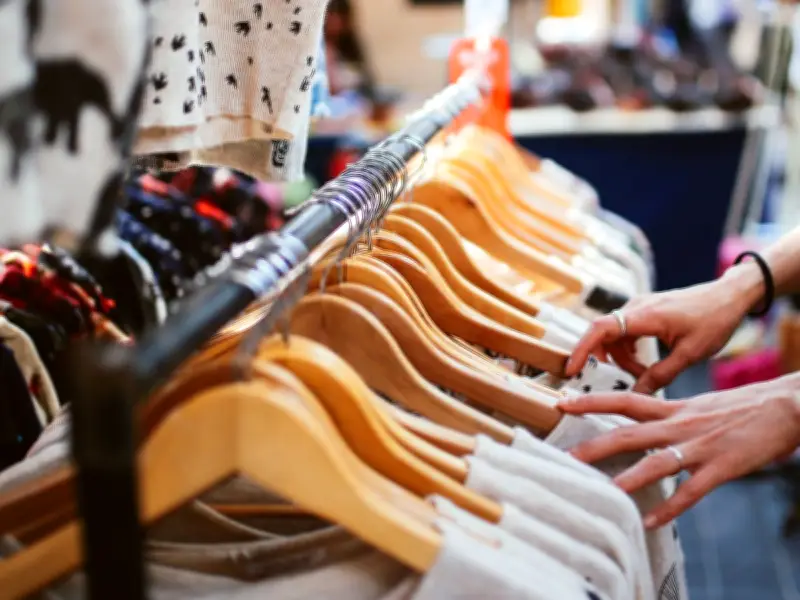
Charity shop lover Danielle has highlighted a common issue that is putting people off buying secondhand items: pricing. In a TikTok video under the handle Charity Shop Life, she explained that while secondhand fashion is more popular than ever, charity shops are failing to capitalise due to overpricing.
What Is Happening to Charity Shops?
Danielle stated: "Charity shops are dying. Secondhand fashion has never been so popular, so why can't charity shops capitalise on this?" She noted that the number one comment from people who have stopped shopping at charity shops is that they are put off by the pricing. As an example, she pointed to an Armani Jeans jacket priced at £100 in mouldy condition.
She added: "The number one theme I'm seeing across all of these articles is that charity shops are blaming online marketplaces. They are saying they can't compete with Vinted. My opinion is that charity shops are putting themselves directly in competition with Vinted by pricing their items too high."

Why Are Charity Shops So Expensive?
Danielle suggested that shoppers find it easier to scroll through Vinted and get items delivered to their doors, rather than searching high street shops. She believes people need to feel "rewarded" for making the effort to visit physical stores. While she acknowledged that charity shops aim to raise money for causes, not offer bargains, she argued they would raise more money by offering better deals.
According to reports, charity shops have raised prices to cover soaring high-street rent, utilities, and disposal costs for unsellable donations. They also increasingly check platforms like eBay and Vinted to price items closer to market value. Some shops operate like commercial businesses, using online pricing tools to boost profit per item rather than clearing stock quickly.
Despite donations being free, charities must still pay commercial property rates, electricity, and wages for core staff like managers. They also incur significant expenses to dispose of stained or broken donations. These factors contribute to rising prices, deterring potential customers.