British Fitness Instructor Trapped in Riyadh ICU as Bombs Fall, Family Desperate for £100k Medevac
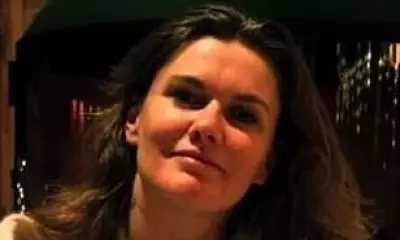
A British fitness instructor is fighting for her life in a Saudi intensive care unit while explosions rock the capital Riyadh, with her family in a desperate race against time to raise over £100,000 for an emergency medical evacuation to the UK.
Laura Storr, 35, from Shenfield, Essex, moved to Saudi Arabia in 2020 to help open a boutique gym, only to be diagnosed two years later with a rare and incurable lung disease. The condition, pulmonary veno-occlusive disease (PVOD), is rapidly progressive and has no cure, leaving a lung transplant as her only hope.
Critical Condition and War Zone Dangers
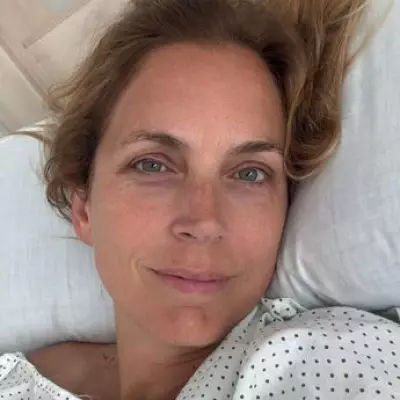
The Royal Papworth Hospital in Cambridge has agreed to accept her as a patient, but her condition is now too critical for a commercial flight home. Bedbound and permanently tethered to an oxygen tank while coughing up blood, she can only listen as bombs explode beyond the hospital window.

With the Middle East conflict escalating, the cost of a medevac flight has soared to more than £108,600, as firms price in the extreme danger of flying through an active war zone. Her distraught sister, Emily, told the Daily Mail that Laura may only have weeks to evacuate in time for the transplant, prompting a frantic GoFundMe campaign.
"It just feels like we're really on a time limit and it's just horrible. I feel on edge every single day," Emily said. "Your mind has a lot to play with your body, doesn't it? So, she is just trying to be as calm as possible so her heart stays at one pace. But it's just so hard to just try and tell somebody to relax when you hear bombs outside the window."
Family Struggles in Riyadh
Their parents, John Storr, 75, and Freda Storr, 62, rushed to Riyadh two months ago to be at their daughter's bedside but are now struggling with their own health issues. Mrs Storr delayed a gallbladder operation back home, while Mr Storr is running out of arthritis and blood pressure medication.
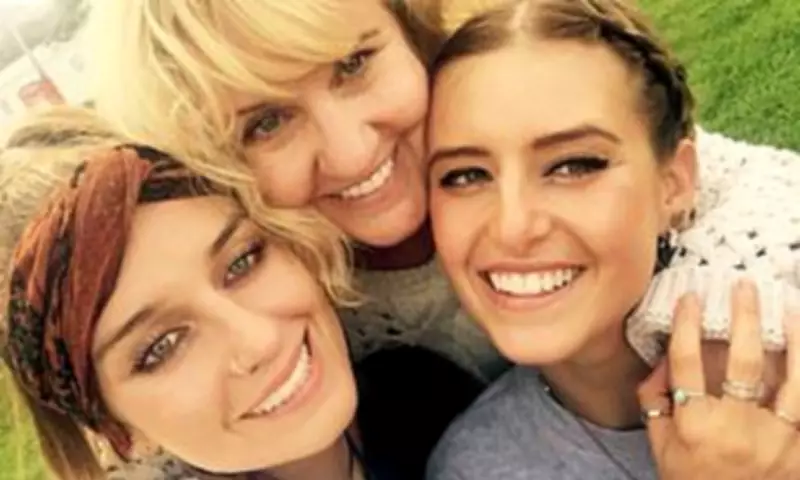
The couple spend most nights sleeping on a futon or chair in Laura's hospital room, with food and transport costs spiralling. Emily, a yoga instructor, described one terrifying night this week when explosions hit right by the hospital and they were told to stay away from windows. "It's been very scary. My mum is just so scared," she added.
Rapid Deterioration and Diagnosis Challenges
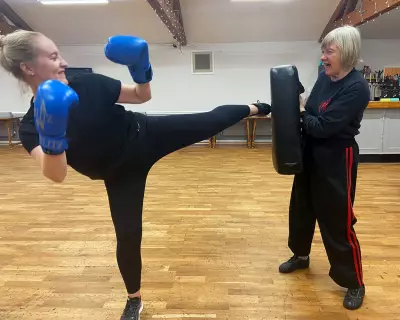
Laura first moved to the Middle East in 2019, working as a spin cycle instructor for 1Rebel in the UK before relocating to Riyadh. She had planned to return to Britain after a few years, but her life was upended by a diagnosis in 2022 of pulmonary arterial hypertension (PAH), which forces the heart to work harder due to tightened lung blood vessels.
It later emerged she had PVOD, a rare form that is notoriously hard to diagnose and rapidly progressive. At one point, in her determination to keep working, Laura even led fitness classes while on an oxygen tank before her condition deteriorated sharply.
"It is just going to keep getting worse unless she gets the care, the potential lung transplant, or there's this new injection that's just come out as well that sends proteins into the body, which they're trialling on patients with PVOD," Emily explained. "But obviously, she just needs to get back to the UK to get settled and to start the next stage."
Medical and Logistical Nightmares
Three months ago, Laura took "a really bad turn" and is now almost completely bedbound in hospital, having spent most of that time in intensive care. Her toilet chair is right next to the bed, and the only movement she manages is walking to it and back.
Doctors have said Saudi Arabia can do nothing more for her, and as an expat, she would need a royal pardon for a lung transplant there—unlikely to be granted. A protein injection for PVOD is being trialled on a patient in the UK, which Laura could access privately if she returns.
Complicating matters, she is now battling an infection that weakens her lungs and heart further, with doctors desperately trying to drain fluid as she coughs up blood. "There may come a certain time where she can't fly. So, it has to happen within this week or next week," Emily warned.

Funding and Embassy Challenges
As an expat not "ordinarily resident" in the UK, Laura had to fight to obtain NHS care for the transplant, which was granted last week. However, the family must cover the medevac costs themselves, with quotes reaching £108,600—a figure that could rise further due to the conflict.
"I think it would have been a lot less but then obviously, because of the conflict and the risk, they're charging us this much. But they are finding routes," Emily said. The family, who are not well-off, are relying on generosity from loved ones and the public, but efforts have been agonisingly slow.
She criticised the lack of support from authorities: "The embassy has done absolutely nothing the whole time. Just keep turning them away, they've given them no information." A spokesperson for the Foreign, Commonwealth and Development Office told the Daily Mail: "We are providing support to a British national in Riyadh and are in contact with their family."
With bombs falling and time running out, Laura Storr's fate hinges on a costly and dangerous evacuation from a war-torn region to the hope of a life-saving transplant back home.