Covid Inquiry Report Warns UK Unprepared for Future Pandemics
The long-awaited findings of the Covid-19 Public Inquiry are set to be released today, delivering a stark verdict on the NHS's handling of the coronavirus pandemic and its devastating impact on patients and staff across the nation. This comprehensive report, the result of a two-and-a-half-year investigation, represents the largest public inquiry in British history and aims to scrutinise every facet of the healthcare system's response to the global crisis.
Harrowing Testimonies Reveal NHS Under Extreme Pressure
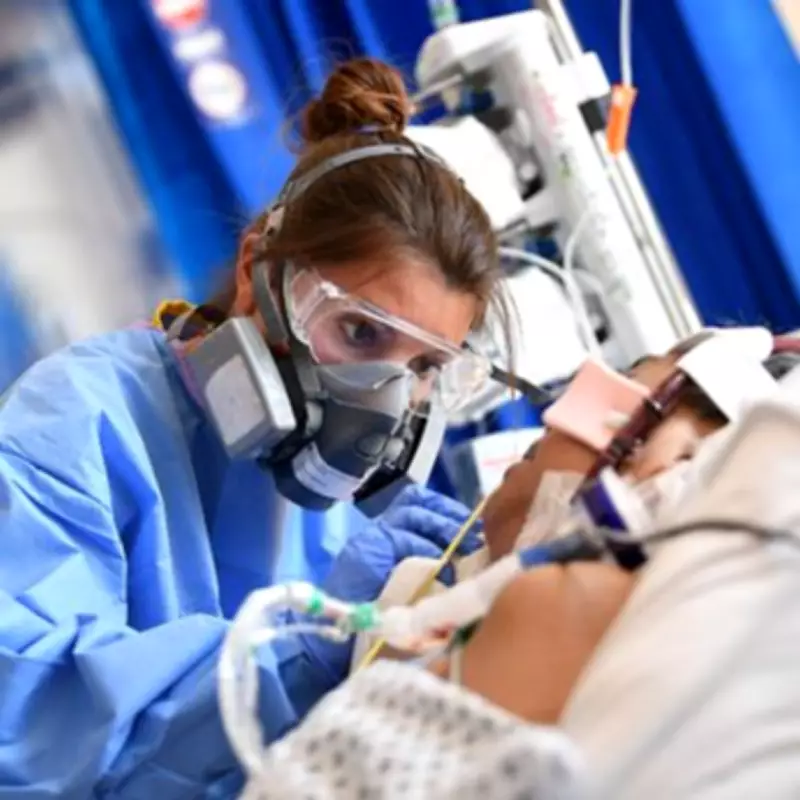
During the inquiry, health leaders provided powerful and often emotional testimony, shedding light on the immense challenges faced by the NHS. Professor Kevin Fong, former national clinical adviser in emergency preparedness, resilience and response at NHS England, described scenes he witnessed as "from hell" on intensive care wards. He broke down in tears while recounting the "truly astounding" rate of deaths in ICUs, noting that one hospital he visited appeared perilously close to collapse under the strain.
Former health secretary Matt Hancock revealed that England's hospitals were mere "hours" away from running out of critical personal protective equipment (PPE) during the early months of the pandemic. He also admitted to "reluctantly" approving the controversial decision to pause non-urgent planned care, a move that contributed to significant treatment backlogs that continue to affect the health service today.

Inquiry Examines Systemic Failures and Government Response
Chairwoman Baroness Heather Hallett has led a thorough examination of all aspects of the NHS's role during the pandemic. This includes scrutinising how managers led the pandemic response, the crucial role of primary care and GPs, the development of NHS backlogs, and the integration of the vaccine programme. The inquiry's Module 3, which focused specifically on healthcare systems, also analysed the diagnosis of long Covid and the support offered to those affected by this debilitating condition.
Previous modules of the inquiry have already delivered damning conclusions about the government's handling of the crisis. Baroness Hallett found that Boris Johnson's administration cost thousands of lives by acting too late to implement necessary measures. Bereaved families have slammed the cabinet's "catastrophic mishandling" of the pandemic, with the inquiry concluding that the Prime Minister oversaw a "toxic culture" within government during this critical period.
Critical Warnings About Future Pandemic Preparedness
The most alarming revelation from today's report is the clear warning that the United Kingdom remains unprepared for future pandemics. Despite the hard lessons learned during the Covid-19 crisis, the inquiry findings suggest that systemic vulnerabilities persist within the healthcare system and government response mechanisms. The report raises serious concerns about whether adequate measures have been implemented to prevent similar catastrophic outcomes in future health emergencies.
As the nation digests these findings, questions will inevitably arise about how to strengthen pandemic preparedness, improve emergency response coordination, and ensure that the NHS receives the necessary resources and support to withstand future challenges. The inquiry's comprehensive analysis provides both a sobering account of past failures and a crucial roadmap for building a more resilient healthcare system capable of protecting public health in years to come.