Covid Inquiry Exposes NHS Near-Collapse During Pandemic
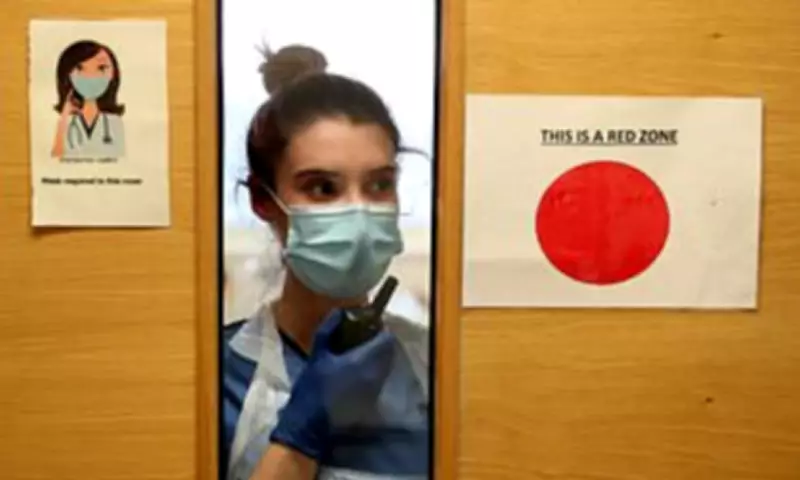
The devastating toll of the coronavirus pandemic on both patients and NHS staff has been starkly revealed in a newly published report from the Covid-19 Inquiry. The document paints a grim picture of a healthcare system pushed to its absolute limits, with staff at times facing shortages of body bags as critically ill patients overwhelmed hospitals.
Staff Confronted with Unimaginable Scenarios
Professor Kevin Fong, who served as the national clinical adviser in emergency preparedness, resilience and response at NHS England, provided chilling testimony to the inquiry. He described the scale of death within intensive care units as 'truly astounding' and recounted visiting a hospital that was perilously close to complete collapse. The imagery was stark, with sick patients described as 'raining from the sky', a metaphor for the relentless and overwhelming influx of cases.
Dame Ruth May, the former chief nursing officer, highlighted a critical pre-existing weakness, revealing that the NHS entered the pandemic with a staggering deficit of 40,000 nurses. This severe understaffing forced nurses, who would typically manage a single patient in critical care, to care for up to six patients simultaneously, stretching resources and staff endurance to breaking point.

Critical Shortages and Life-or-Death Decisions
The inquiry heard from former health secretary Matt Hancock that England's hospitals were within mere 'hours' of exhausting supplies of essential personal protective equipment (PPE) during the pandemic's early months. Faced with this dire situation, Hancock stated he 'reluctantly' approved the controversial decision to pause all non-urgent planned care. This move, while deemed necessary to manage the immediate crisis, is acknowledged as a primary driver behind the subsequent and dramatic surge in NHS waiting lists.
Chief medical officer Professor Sir Chris Whitty, who became a familiar public figure through daily televised briefings, admitted that official communications failed to sufficiently emphasise that seriously ill individuals should still seek hospital treatment. He clarified, however, that the nation was confronting an 'absolutely catastrophic situation' as it approached the first lockdown, with profound fears about the NHS's capacity to withstand the onslaught.
Broader Consequences and Policy Responses
Critics of the lockdown strategy have pointed to the tragic collateral damage, including deaths from non-Covid conditions that might have been treatable had patients not avoided hospitals or been unable to access standard NHS care during the crisis.
In a related development, the Government has announced new plans to strengthen rights for hospital and care home visits. Care minister Stephen Kinnock emphasised, 'No one should be separated from their loved ones unnecessarily. Contact with family and friends should not be seen as a luxury but a basic part of good care.' He stated these changes aim to protect patients and residents, empower families, and foster more compassionate care environments.
A Costly and Lengthy Investigation
This report concludes the third module in a series of ten planned for the Covid-19 Inquiry. The investigation is on track to become one of the longest in British history and has already set a record as the most expensive, surpassing the cost of the Bloody Sunday inquiry. To date, the probe has incurred costs exceeding £192 million over just three years, underscoring the scale and complexity of examining the pandemic's impact.