Household Air Pollution Linked to Cancer and Heart Disease in Global Study
While household air pollution rarely captures major headlines, it silently claims millions of lives each year across the globe. A comprehensive international study has now definitively linked exposure to toxic cooking smoke with severe health outcomes including lung cancer, heart disease, and impaired childhood development.
The Hidden Global Health Crisis
Researchers from the Global Burden of Disease 2021 Household Air Pollution team conducted an extensive analysis spanning 204 countries from 1990 to 2021. Their findings reveal that although the use of solid fuels like wood, coal, and animal dung has gradually declined over three decades, household air pollution exposure remains alarmingly widespread with devastating health consequences.
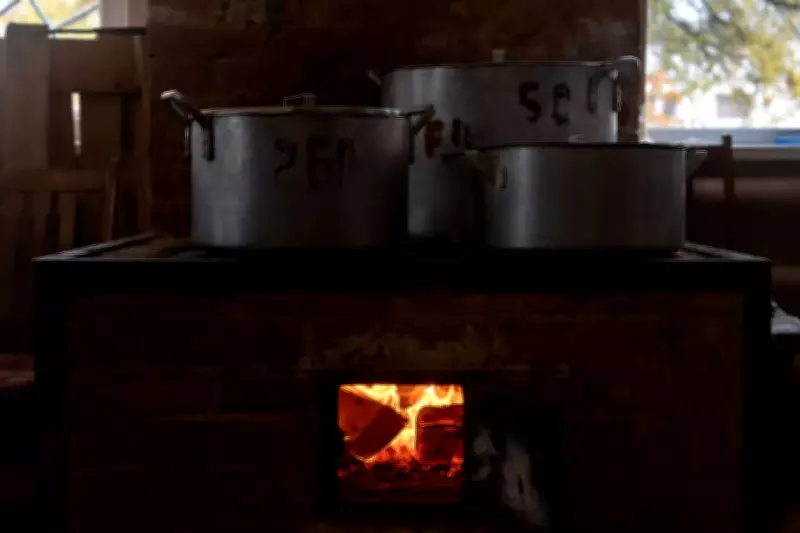
"Each night, I scrolled through country estimates, picturing families preparing meals over smoky stoves, inhaling toxins they cannot see and may not realise are damaging their health," explained Vikram Niranjan, an Assistant Professor in Public Health at the University of Limerick who contributed to the research. "For many communities, shifting to cleaner fuels is not about convenience. It is about survival."

Severe Health Impacts Unevenly Distributed
The study identifies household air pollution as a major risk factor for multiple serious health conditions:
- Chronic obstructive pulmonary disease (COPD)
- Stroke
- Lower respiratory infections
- Lung cancer
- Ischaemic heart disease (coronary heart disease)
These health risks manifest most severely in regions where cleaner cooking alternatives remain financially inaccessible. While wealthier nations have seen sustained declines in exposure through improved energy infrastructure, many parts of sub-Saharan Africa and South Asia continue to rely heavily on polluting fuels.
"Clean options such as liquefied petroleum gas, electricity, ethanol, improved biomass stoves and biogas remain financially out of reach for many households," the researchers noted, highlighting the economic dimensions of this health crisis.
Childhood Development at Risk
The research establishes concerning links between childhood exposure to household air pollution and multiple developmental challenges:
- Impaired cognitive development
- Increased respiratory vulnerability
- Long-term health disadvantages
These effects often develop gradually over years, making them easier to overlook but no less damaging to children's futures. Every meal cooked over smoke-filled flames potentially introduces toxins that can shorten lifespans and hinder development, deepening existing structural inequities across generations.
Policy Responses and Solutions
The UK government demonstrated recognition of this issue in December 2025 by publishing updated environmental plans imposing tighter restrictions on wood-burning stoves, specifically targeting PM2.5 pollution - the fine particulate matter small enough to penetrate lungs and bloodstreams.
Researchers emphasize that comprehensive solutions require multi-faceted approaches:

- Infrastructure development: Improving fuel storage, transport, and local retail networks for cleaner alternatives
- Energy system strengthening: Ensuring consistent power supplies to support electric cooking options
- Financial support: Implementing subsidies to make clean fuels and stoves affordable
- Technological adaptation: Developing stoves that suit local cooking practices, pot sizes, and daily rhythms
- Healthcare system improvements: Enhancing diagnosis and treatment for pollution-related chronic conditions
- Data collection: Establishing reliable pollution exposure monitoring where it's currently lacking
Community-Centered Implementation
Successful interventions depend fundamentally on community engagement and cultural sensitivity. "Uptake improves when stoves fit local cooking styles, meet household preferences and are introduced through trusted local groups rather than imposed from outside," the researchers emphasized. People demonstrate greater willingness to adopt and consistently use new cooking technologies when they align with established routines and come from familiar, trusted sources.
Beyond Domestic Boundaries
Although household air pollution might appear as a personal or domestic concern, its ramifications extend far beyond individual homes. Clean cooking represents not merely an environmental or climate issue but a fundamental matter of health equity. Reducing smoke exposure in homes translates directly to fewer chronic illnesses, fewer premature deaths, and stronger foundations for global public health.
"Clean cooking is not simply about replacing a stove or fuel type," the researchers concluded. "It is about protecting health, expanding opportunity and giving every child the chance to grow up in an environment that does not silently harm them." Without accelerated progress, the burden will continue falling most heavily on communities least equipped to bear it, perpetuating cycles of health inequality across the globe.