Kent Meningitis Outbreak Escalates with Seven New Cases Confirmed
The UK Health Security Agency has reported a significant increase in cases related to a meningitis outbreak in Kent, with the total now rising to 27 confirmed infections. This marks a concerning jump from the 20 cases previously identified, underscoring the severity of what health officials are describing as a once-in-a-generation crisis.
Deaths and Hospitalisations Amidst Rapid Response
Tragically, two young individuals have lost their lives to the outbreak. One victim was an 18-year-old sixth-form pupil named Juliette, while the other was a 21-year-old student from the University of Kent. Additionally, several others remain hospitalised, including 19-year-old Casey Marlow and 22-year-old Keeleigh Goodwin, both of whom contracted the illness after visiting Club Chemistry nightclub in Canterbury.
Health authorities are mobilising rapidly to distribute antibiotics to at-risk students, with over 700 doses already administered. The UKHSA is prioritising pre-emptive treatment to prevent further illnesses, as the incubation period for meningitis B ranges from two to fourteen days, suggesting more cases may emerge in the coming days.

Super-Spreader Event and National Concerns
The outbreak has been linked to a super-spreader event at Club Chemistry during the weekend of March 5th to 7th. Investigations reveal that the meningitis B bacteria, which is present in the throats of up to one in five people, was likely transmitted through close personal contact such as kissing, sharing drinks, or vapes. There are growing fears that infected students may have carried the bacteria home to families across the UK, potentially widening the outbreak.
General practitioners nationwide have been alerted to watch for symptoms in anyone who attended the nightclub that weekend. The University of Kent campus has been described as a ghost town, with most students fleeing to their homes, often picked up by anxious parents travelling from various parts of the country.
Vaccination Efforts and Government Response
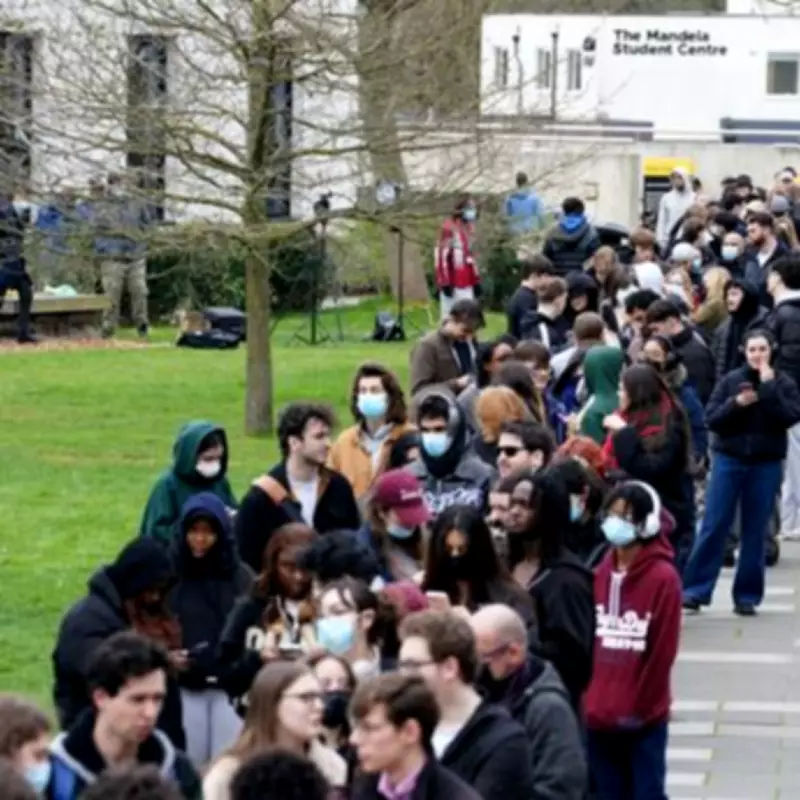
In response, vaccination drives have commenced, targeting around 5,000 students from the University of Kent's Canterbury campus. The first recipient, 22-year-old postgraduate law student Oliver Contreras, expressed relief at receiving the jab, noting his father's insistence due to safety concerns.
Health Secretary Wes Streeting addressed the public via BBC Breakfast, emphasising that the disease spreads through intimate contact rather than casual interactions like bus travel. He highlighted that while there is no current evidence of spread outside Kent, the UKHSA is investigating all potential cases, including a baby with a confirmed infection unrelated to the outbreak.
Mr Streeting also announced plans to consult the Joint Committee on Vaccination and Immunisation regarding expanding NHS meningitis B vaccinations to older children, though he cautioned that immunity takes weeks to develop and may not prevent immediate illnesses.
Timeline and Ongoing Investigations
The outbreak was first notified to the UKHSA on March 13th, prompting immediate contact tracing. By Saturday, French officials had alerted the agency to a case in France linked to the University of Kent, highlighting the international dimensions of the crisis.
Health leaders warn that this outbreak represents an unprecedented surge, with one official noting they haven't witnessed such an explosion of cases in 35 years. The rapid response aims to curb a potential second wave of infections in the coming weeks, as the community grapples with the aftermath of this deadly outbreak.