Health authorities have reported a significant escalation in the meningitis outbreak affecting Kent, with confirmed cases now reaching 27. This update follows the tragic deaths of two students linked to the incident, which experts are describing as an unusual public health event.
Rising Case Numbers and Ongoing Investigations
The UK Health Security Agency (UKHSA) has disclosed that, as of 5pm on Wednesday, 15 cases have been formally confirmed, with an additional 12 cases currently under active investigation. This represents a concerning increase from the 20 cases reported just the previous day, highlighting the dynamic and evolving nature of the outbreak.
Public Health Response and Containment Efforts
Trish Mannes, UKHSA regional deputy director for the South East, has emphasised that it cannot yet be confirmed whether the outbreak has been fully contained. In response, a large-scale public health intervention is underway, focusing on two primary strategies: the distribution of preventative antibiotics and the rollout of the meningitis B vaccine.

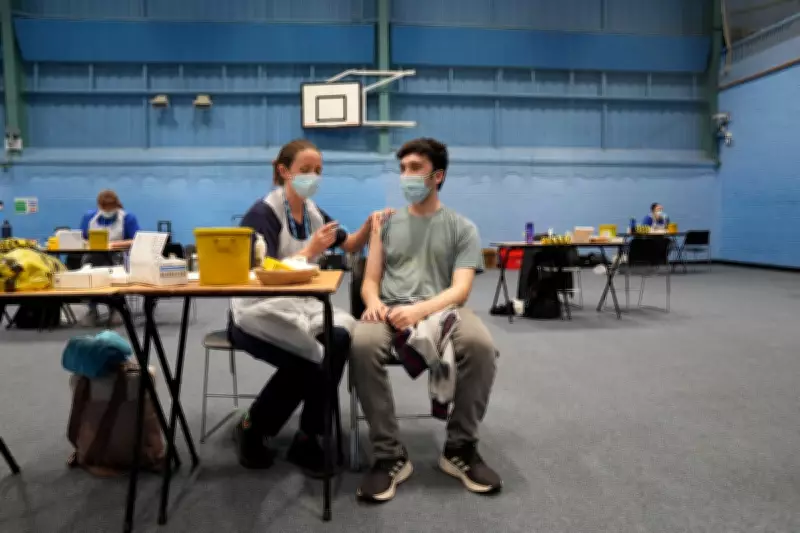
Thousands of students who attended Club Chemistry in Canterbury between March 5 and 7, along with those residing in halls at the University of Kent's Canterbury campus, have received doses of antibiotics. Furthermore, approximately 5,000 students have been invited to receive the menB vaccine as a protective measure.
Vaccine Limitations and Symptom Awareness
Ms Mannes provided crucial clarifications regarding the vaccine's capabilities, stating, "Two doses of the menB vaccine helps protect individuals against meningococcal B disease. However, it is important to know that the menB vaccine does not protect against all strains of meningococcal disease, nor against all infections that can cause meningitis. It also does not prevent the bacteria from being carried and spread in the community."
She stressed the continued importance of public vigilance, urging individuals to be aware of the signs and symptoms of invasive meningococcal disease and to seek immediate medical attention if they appear. For students who have been offered preventative antibiotics but have since returned home, she advised contacting their local GP for advice and appropriate treatment.
Risk Assessment and Contact Tracing
Despite the alarming figures, UKHSA maintains that the risk to the wider population remains low. The agency is actively engaged in contact tracing efforts and continues to offer preventative antibiotics to those identified as close contacts of confirmed cases. This ongoing work aims to curb further transmission and manage the outbreak effectively.