Meningitis Vaccine Chaos: Students in Tears as Staff Shortages Force Clinic Closures
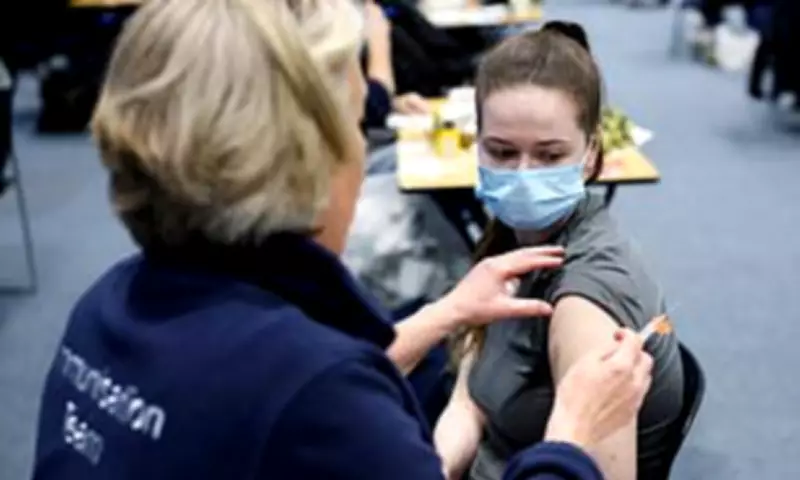
Students were left in tears and frustration today after queuing for hours to receive a meningitis B vaccination, only to be turned away due to critical shortages of vaccinators. Health officials faced intense criticism for closing the queue early at the University of Kent for the second consecutive day, with doors shutting promptly at 5pm despite overwhelming demand.
Predictable Demand Meets Inadequate Planning
Those affected questioned why the pop-up clinic could not extend its hours into the evening to accommodate the predictable surge in students seeking protection. Many now face delays of several days before they can return, due to weekend work commitments that prevent them from trying again immediately.
This disruption comes as experts suggest the initial outbreak linked to Club Chemistry nightclub in Canterbury, Kent, appears to be subsiding. However, they warn that sporadic household clusters could emerge nationwide over the next month as students return to their family homes.

Urgent Call for Vaccination Amid Rising Cases
Approximately 15,000 people have been urged to get the MenB jab as soon as possible to curb the spread of the bacteria, which has already claimed the lives of 18-year-old sixth-form pupil Juliette Kenny and a 21-year-old university student. The total number of confirmed cases has now reached 29, marking a slight increase from 27 reported just a day earlier.
Newly released genetic testing results indicate that the MenB vaccine is likely to be effective against the circulating strain, believed to be a new sub-variant of a type present in the UK for the past five years.
Chaotic Scenes at University Clinic
Students and staff began lining up outside the vaccine clinic at the university’s sports centre over an hour before its 9am opening. By mid-morning, the queue stretched half a mile, with an estimated 1,000 people waiting patiently. However, security teams sparked fury when they instructed more than 100 individuals to leave the line at 3pm, stating they would not reach the front before the 5pm closure.
The UK Health Security Agency had previously cited a staffing issue for turning students away under similar circumstances yesterday, highlighting ongoing operational challenges.
Personal Stories of Frustration and Trauma
First-year students Charlie Chevis, 18, studying history, and Isabelle Annenberg, 18, studying psychology, joined the queue at 11.30am only to be turned away three and a half hours later. Mr Chevis described the situation as frustrating, while Ms Annenberg called it annoying.
Molly Howard, a 20-year-old criminology student, waited at the end of the official queue hoping for a dropout among the 496 people allowed to stay. I’m basically trying my luck, she said. If someone drops out I can take their place. After traveling two hours from her home in Folkestone and queuing for another two, she became tearful, noting that the experience brought back traumatic memories of the Covid-19 pandemic, during which her mother and sister were hospitalized.
Film student Scarlett Bahnsen, 21, waited over five hours after arriving at 8.30am, calling it the earliest I’ve got up for a long time. She argued that the clinic should stay open later in the evening to better accommodate students, suggesting that a lot more people would probably go later at night.
Vaccination Efforts and Alternative Options
The vaccine and antibiotics are being offered to anyone who attended Club Chemistry between March 5 and March 15, university students in Canterbury, and sixth-formers at local schools with confirmed cases. NHS Kent and Medway reported that, as of this afternoon, 4,514 vaccines and 10,561 courses of antibiotics had been administered across Kent.
Ed Waller, deputy chief executive of the NHS trust, advised people to consider less busy alternative sites, noting that six clinics are offering jabs and antibiotics county-wide, with some open until 7.30pm. We are trying to maximise the capacity and the opening hours of all the sites, he said, emphasizing efforts to operationalize as much capacity as possible.

Public Health Projections and Expert Analysis
Dr Anjan Ghosh, director of public health at Kent County Council, outlined three potential scenarios for the coming month. The most likely involves students traveling away from Kent incubating the bacteria, leading to containable household cases elsewhere. He stressed that the overall risk of infection remains low.
The worst-case scenario, deemed highly unlikely, would involve another superspreader event causing a cluster outside the county. Dr Ghosh expressed hope that the outbreak is slowing, but cautioned that until next week, we won’t be able to say for sure, noting that such outbreaks typically follow a four-week course.
Professor Paul Hunter, an expert in medicine at the University of East Anglia, added that the incubation period ranges from two to ten days, suggesting the peak from the initial superspreading event has likely passed. The key question remains whether secondary cases will emerge from infections not directly linked to the nightclub.