Mother Champions Teen Meningitis B Vaccine After Son's Near-Fatal Battle
A mother whose son narrowly survived a severe case of meningitis B is strongly advocating for a national vaccination programme aimed specifically at teenagers and young adults. Gaynor Simpson has described it as both "heart-breaking" and "infuriating" that two young individuals have recently died in a Kent outbreak, despite vaccines being readily available to prevent such tragedies.
Critical Illness and Recovery Journey
Her son, Ross Simpson, was just 18 years old when he fell critically ill in February 2023 while pursuing a degree in computing science at the University of Glasgow. Initially experiencing a headache in his shared flat, his condition deteriorated rapidly. Ms Simpson rushed him to hospital after he developed severe head pain, a stiff neck, and a pronounced aversion to bright lights—all classic symptoms indicative of meningitis.
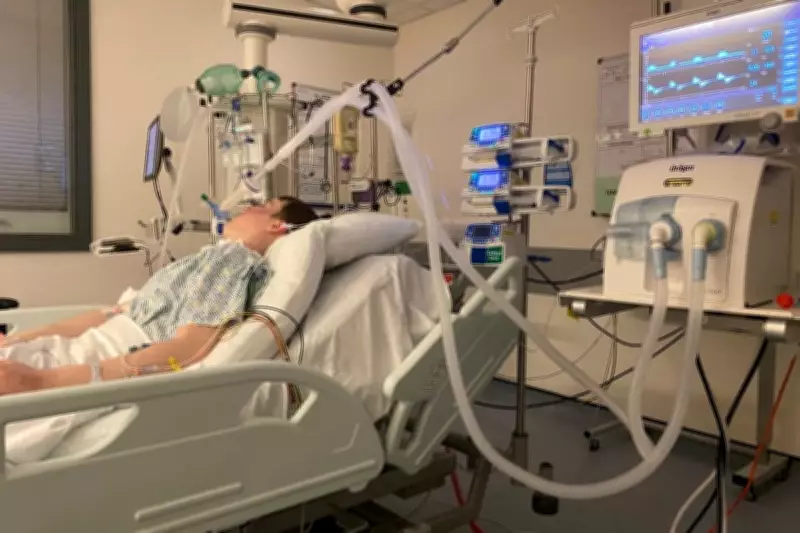
Medical professionals at the Queen Elizabeth University Hospital in Glasgow delivered the grim news that Ross might not survive the illness. He spent five harrowing days on life support, with a lumbar puncture confirming invasive meningococcal disease that had progressed into sepsis, commonly known as blood poisoning.

Ms Simpson recounted: “He was on life support for five days. The first three of those days were utterly terrifying—we simply did not know if he would make it. Doctors warned us it was very possible he would not survive, as he was that critically ill. Thankfully, he began to turn the corner, spending a total of ten days in intensive care before coming home to embark on a long and challenging recovery.”
Now aged 21, Ross has largely recovered but continues to experience occasional fatigue as a lingering effect of his ordeal.
Vaccination Gap and Advocacy Efforts
Gaynor Simpson serves as an ambassador for the charity Meningitis Now, which is actively campaigning for teenagers and young people to receive the meningitis B vaccine through the NHS. The organisation also advocates for a booster programme by 2030 to protect those who were vaccinated as infants.
The MenB vaccine was incorporated into the NHS schedule for babies in 2015, yet children born before this date remain unprotected by the public health service. Ms Simpson expressed deep regret, stating that had she been aware of the vaccine earlier, she would have ensured Ross was protected "in a heartbeat."
She emphasised: “My sincere hope is that this vaccine becomes available for all young people as they reach 16, ensuring they have every possible protection during that critical window when they are at higher risk of developing meningitis.”
Current Vaccine Landscape and Confusion
Teenagers in schools are currently offered the MenACWY vaccine, a single-dose jab that protects against four strains of meningococcal bacteria, introduced in 2015. This vaccine is also available to university entrants up to the age of 25.
However, Ms Simpson highlighted a significant issue: her son had received the MenACWY vaccine, but she described the messaging as "confusing" for parents who believe they have done everything possible to safeguard their children by accepting NHS-offered vaccines.
She explained: “It is incredibly confusing for parents to discover there is another vaccine available. Had we known about the MenB vaccine, Ross would have received it without hesitation, unquestionably.”
Kent Outbreak and Political Response
As authorities continue to manage the Kent outbreak, UK Health Secretary Wes Streeting has requested the Joint Committee on Vaccination and Immunisation to "re-examine eligibility for meningitis vaccines" for a broader demographic. This follows the committee's prior ruling that a MenB catch-up campaign for older children was not cost-effective.
Ms Simpson, residing in Bearsden, East Dunbartonshire, with her younger son Stuart, 19, expressed profound sorrow over the Kent deaths, noting they occurred on Mother's Day. She said: “Two mothers faced the worst possible Mother's Day imaginable. It is absolutely heart-breaking, yet also infuriating, because we know a vaccine exists that could protect and save lives.”

Kent's chief medical officer has reiterated that the meningitis vaccine is "highly effective," as the rollout begins, underscoring the urgent need for expanded access to prevent further fatalities and severe illnesses among vulnerable youth populations.