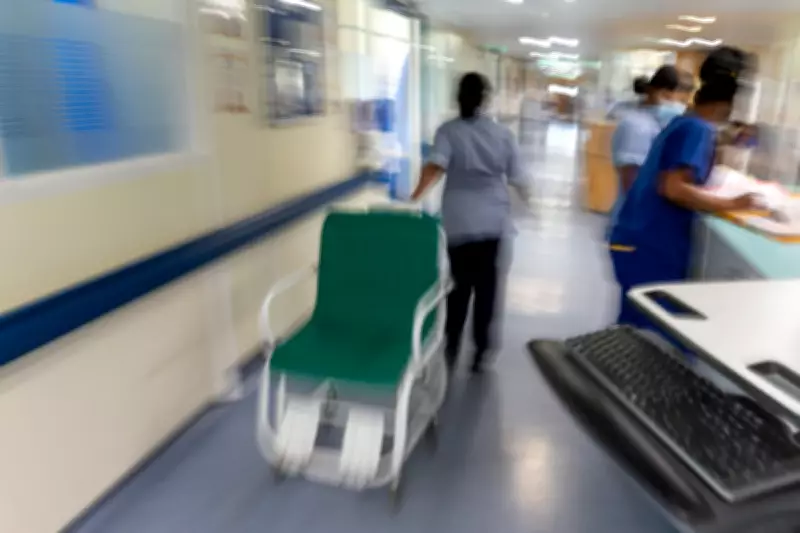
NHS Staff Burnout Crisis Threatens Future Pandemic Response, Inquiry Warns
The UK's healthcare system came perilously close to collapse during the Covid-19 pandemic, which claimed over 200,000 lives, according to a devastating new report from the official inquiry. The comprehensive investigation reveals that while the National Health Service ultimately managed to cope with the unprecedented crisis, it did so "only just" - and primarily because healthcare workers made extraordinary personal sacrifices.
Heroic Sacrifices and Systemic Vulnerabilities
Baroness Heather Hallett, chair of the Covid-19 Inquiry, described how heroic health workers "put their work before their own well-being and family life" during the pandemic's darkest days. The report acknowledges that many healthcare professionals enter their careers out of vocational calling, with that dedication intensifying during crises. However, the inquiry delivers a stark warning that this goodwill cannot form the foundation for a sustainable national health service.
"When the next pandemic strikes, there may not be a workforce in the healthcare systems able or willing to work under the conditions that arose during the Covid-19 pandemic," Baroness Hallett cautioned. She urgently called on UK governments to implement her recommendations without delay, emphasizing that the current state of the NHS workforce leaves the country vulnerable to future health emergencies.

Mental Health Toll and Moral Distress
The inquiry uncovered profound psychological impacts on healthcare workers who confronted unprecedented levels of death and suffering. Many experienced "moral distress" when unable to provide care according to their professional values and standards. Research conducted for the inquiry found that during the pandemic's first two waves, 80 percent of surveyed healthcare professionals reported having to act in ways that conflicted with their core values.
Dr Vicky Price, president of the Society of Acute Medicine, expressed grave concerns about current staff capacity. "While staff pulled together during the Covid-19 pandemic, I fear staff would have less capacity to do this again as people are just that bit more burnt out... they are absolutely burnt to the ground already," she told The Independent.
Generational Divide and Training Pipeline Problems
Thea Stein, chief executive of the Nuffield Trust and former NHS trust chief, highlighted a "worrying generational divide" revealed in NHS staff survey data. Workers aged 21-30 reported significantly higher burnout levels than their older colleagues, potentially affecting workforce resilience during future crises.
"If the NHS wants to back up its commitment to develop enough staff trained within the UK for a stable workforce, this needs to change," Stein emphasized. She criticized successive governments for insufficient attention to staff retention, creating "a leaky training pipeline" that undermines workforce stability.
Depleted Workforce and Ongoing Challenges
Since the pandemic, the NHS has faced widespread industrial action from staff protesting pay and working conditions, with ongoing threats of further strikes. The health service currently contends with over 100,000 job vacancies, including more than 22,000 nursing posts and over 7,000 doctor positions needing to be filled.
Professor Nicola Ranger, chief executive and general secretary of the Royal College of Nursing, warned: "The sad reality is that it will be impossible to increase capacity in hospitals while the nursing workforce remains so severely depleted." She added that the report's findings about workforce readiness "should cause great alarm" and called for immediate investment in nursing.
Government Response and Future Preparedness
The Department for Health and Social Care acknowledged that the inquiry report "makes for sober reading" and committed to learning lessons from the pandemic. A spokesperson stated: "This government is committed to learning the lessons of the Covid Inquiry — we are investing in and reforming the health service to make it fit for the future."

However, experts warn that time may not be on the UK's side. With healthcare services already stretched to breaking point by routine demands, the window for implementing meaningful reforms before another crisis strikes remains dangerously narrow. The inquiry's central message is clear: without urgent action to address staff burnout, improve working conditions, and rebuild workforce resilience, the NHS may prove unable to withstand future pandemics.