Covid Inquiry Exposes NHS Near-Collapse, Saved by Staff Heroics
The Covid-19 Inquiry has delivered a stark verdict: the National Health Service was on the brink of collapse during the pandemic, saved only by the extraordinary sacrifices of its frontline workers. The report, part of the largest public inquiry in British history, concludes that the NHS entered the crisis ill-prepared, overstretched, and in a precarious state after a decade of Conservative governance.
Systemic Failures and Political Choices
Baroness Heather Hallett, chair of the inquiry, found that the UK's healthcare systems were devastated by Covid-19 due to severe workforce shortages, an ageing hospital estate, low bed numbers, and high occupancy rates. She emphasised that the NHS coped "only just," teetering on the brink multiple times, with staff efforts described as "almost superhuman." The inquiry criticises the Tory government for being aware before the pandemic that a moderate outbreak would breach intensive care capacity, a situation labelled a "political choice" by England's Chief Medical Officer Sir Chris Whitty.
Evidence showed the UK had just 7.3 critical care beds per 100,000 people, compared to 28.2 in Germany and 43.2 in the Czech Republic. This lack of capacity, compounded by 40,000 nursing vacancies in England at the pandemic's start, led to delayed treatments and preventable deaths. The report highlights how the NHS had to halt planned care, including cancer diagnoses, and how government messaging like 'Stay Home, Protect the NHS, Save Lives' inadvertently kept patients with life-threatening conditions away from hospitals.

Staff Sacrifices and Inadequate Protection
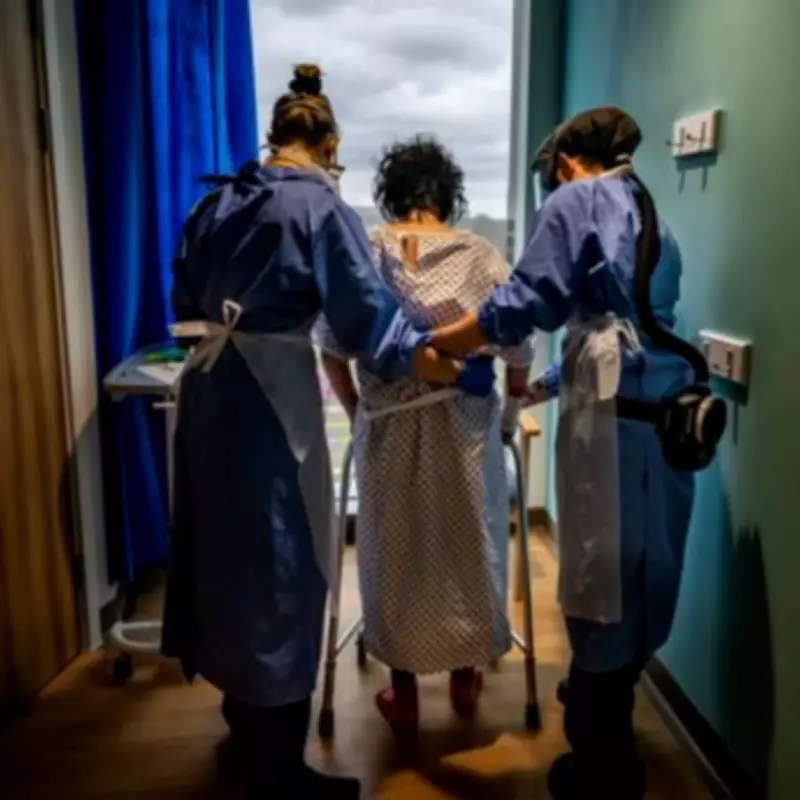
Frontline medics put themselves in harm's way, with many catching the virus and some dying, to ensure the NHS could treat the most seriously ill. Professor Nicola Ranger, General Secretary of the Royal College of Nursing, stated: "Never again can nursing and the public be failed like this." She pointed to inadequate personal protective equipment (PPE) and staffing shortages that caused devastating outbreaks among healthcare workers.
Dr Tom Dolphin of the British Medical Association noted that staff, disproportionately from ethnic minorities, paid with their lives, often using makeshift protection like bin bags instead of proper gowns. The inquiry revealed mental health issues among intensive care staff reached levels comparable to combat veterans in Afghanistan, underscoring the immense psychological toll.
Political Denials and Future Recommendations
Despite denials from former Prime Minister Boris Johnson and ex-Health Secretary Matt Hancock, who claimed the NHS was never overwhelmed, Baroness Hallett concluded the healthcare systems were placed under "intolerable strain." She urged governments to implement recommendations urgently, warning that future pandemics may not find a workforce willing to endure similar conditions.
Key recommendations include increasing hospital surge capacity, strengthening infection control guidance, improving data collection for high-risk individuals, standardising advanced care planning processes, and providing better support for healthcare workers. The report, costing over £200 million, aims to provide a blueprint for pandemic preparedness.
Prime Minister Sir Keir Starmer acknowledged the loss and pain of the pandemic, committing to learning from the inquiry and investing in a resilient NHS. The findings serve as a sombre reminder of the consequences of underfunding and the unwavering dedication of healthcare staff during one of the UK's darkest periods.