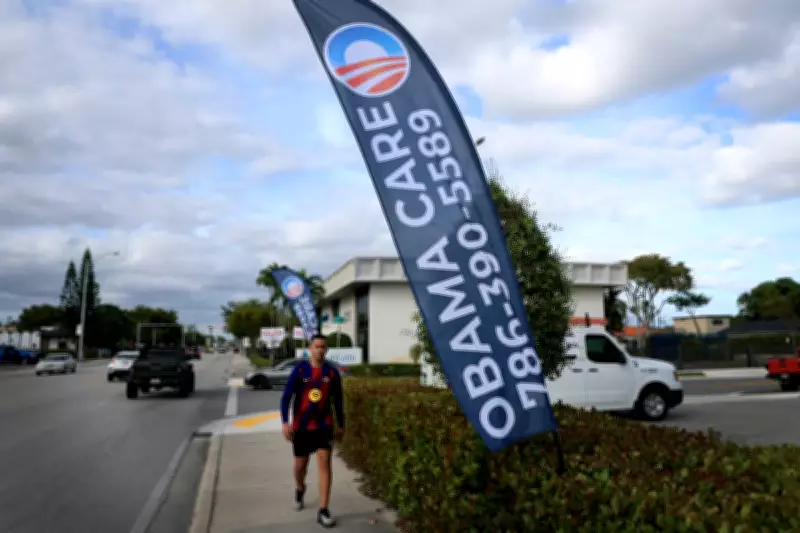
Obamacare Exodus: 10% Drop Coverage as Costs Soar Post-Subsidy Expiry
A significant new survey has revealed that nearly one in ten Americans enrolled in Affordable Care Act (ACA) plans opted out of health insurance entirely last year, following the expiration of federal subsidies that triggered sharp price increases. The research, conducted by the health nonprofit KFF, paints a sobering picture of the American healthcare landscape in the wake of legislative inaction.
Staggering Drop in Enrollment
According to the KFF poll, which sampled 1,117 people, 9 percent of ACA enrollees reported they are now uninsured. An additional 28 percent stated they have switched to a new plan. This aligns with broader enrollment data showing a decline from 24.2 million Americans covered through ACA marketplaces in 2025 to approximately 23 million as of January 2026.
The catalyst for this exodus was the deliberate sunset of enhanced federal premium subsidies at the end of December 2025. These subsidies, originally enacted in 2021 as part of a Covid-19 relief package signed by former President Joe Biden, had dramatically increased ACA enrollment, particularly among low and middle-income Americans.

Financial Strain on Those Who Remain
For the overwhelming majority of Americans who chose to maintain their Obamacare coverage, the financial burden has become severe. The survey found that 80 percent of these enrollees face higher costs, with about half describing their premiums as being "a lot" higher.
The data is stark: ACA enrollees now face average premium costs of $1,904 in 2026, more than double the $888 average from the previous year. This surge has forced difficult household decisions.
"The prices are simply too high," lamented a 34-year-old man from Texas. "$800 a month for the absolute cheapest plan for two people. Our income is $120k, so we don't qualify for subsidies in Texas. I don't think we could afford our mortgage if I had to pay for health insurance."
A 63-year-old Californian added, "The end of ACA subsidies caused a huge increase in premiums, the cost of which I could not afford."
Widespread Anxiety Over Affordability
The financial anxiety extends beyond monthly premiums. Seventy-three percent of remaining enrollees fear they cannot afford emergency care, while 49 percent worry about covering routine medical expenses. To manage these costs, 55 percent are reducing or plan to reduce other household expenses, and 17 percent are concerned about paying premiums consistently throughout the year.
"We need healthcare," a 59-year-old woman from Virginia told KFF. "And now we will either avoid seeing a doctor or go bankrupt."
Cynthia Cox, a senior vice president at KFF, warned The Wall Street Journal that coverage losses, already "significant," may only increase in the future.
Political Battle and Electoral Consequences
The survey arrives amidst a fierce political divide over the ACA's future. The question of extending subsidies led to a 43-day government shutdown as Democrats attempted to include them in a funding bill, ultimately relenting. Republicans, like Senate Majority Leader John Thune, argued against extending "a failed program that's rife with fraud, waste and abuse."
Democrats have placed blame squarely on their counterparts. Representative Suzan DelBene, a Washington Democrat, stated on New Year's Day, "Make no mistake, the blame behind the skyrocketing health care costs millions are facing today is squarely at the feet of House Republicans, and the American people know it."
This issue is resonating with voters. Forty-eight percent of survey respondents said healthcare costs will "have a major impact on their decision to vote" in the upcoming midterm elections.
Administrative Changes Compound Problems
Compounding the financial pressure are major administrative and policy changes to ACA marketplaces enacted under President Donald Trump's "Big, Beautiful Bill" signed in July. Experts told CNBC these under-the-radar adjustments have made it more onerous or costly for many to sign up for ACA plans.

President Trump has long opposed the ACA, famously urging, "Call it Trumpcare... Anything but Obamacare!" The political stalemate over subsidies—with Democrats seeking to extend aid to providers and Republicans pushing for direct payments to Americans—remains unresolved, leaving millions of enrollees in a precarious financial position.