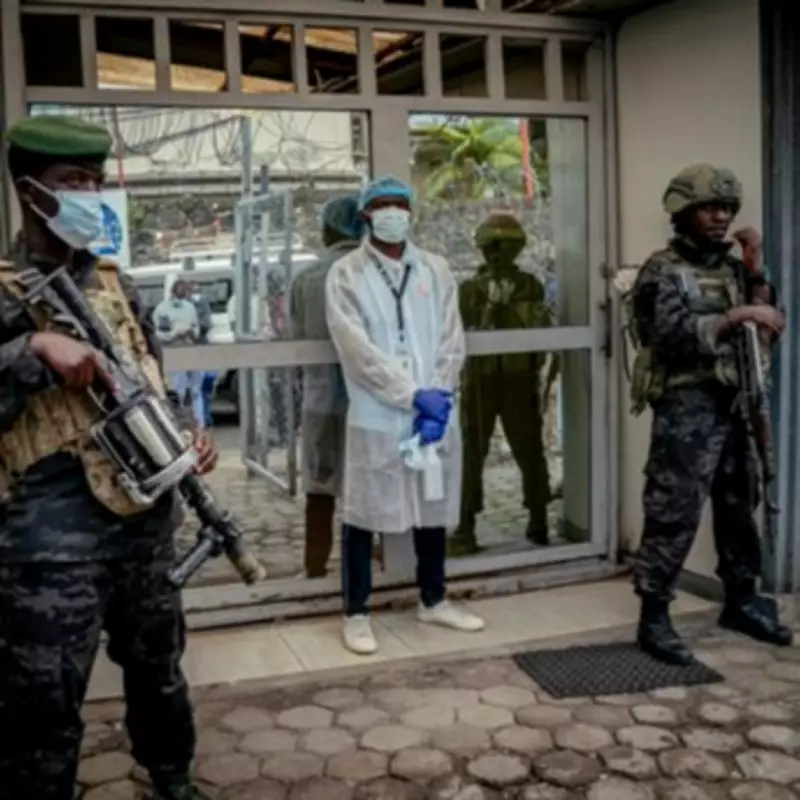
An emergency summit of top doctors from across the world has been convened by the World Health Organisation (WHO) after the Ebola outbreak in the Democratic Republic of the Congo (DRC) was declared a global health emergency. The rapidly spreading viral haemorrhagic fever has now claimed over 130 lives, and health experts are racing to contain the outbreak and prevent its spread to other nations.
Concerns over cross-border transmission
Fears are intensifying that the virus could be spreading into neighbouring Uganda, prompting stepped-up border checks. Germany's Federal Ministry of Health confirmed that the US government had requested assistance to treat a citizen who contracted Ebola; the patient is currently in a special isolation ward at Charité hospital in Berlin. The strain responsible, Bundibugyo, is particularly rare, complicating response efforts as no specific treatments or vaccines exist for it.
WHO emergency committee meeting
A WHO emergency committee meeting was held to discuss the outbreak, with Director-General Tedros Adhanom Ghebreyesus expressing he was "deeply concerned" by the situation in the DRC. The group of experts pulled from across the world will "advise us on temporary recommendations," he said. Anne Ancia, WHO's DRC representative, told reporters: "I don't think that in two months we will be done with this outbreak," pointing to a recent Ebola outbreak in another part of the country that "took two years" to clear.

Ebola transmission and symptoms
Ebola viruses are spread through close contact with bodily fluids of sick or deceased patients, such as sweat, blood, faeces, or vomit. Healthcare workers and family members caring for infected patients face the highest risk, according to the WHO. Symptoms can appear suddenly between two and 21 days after infection, often beginning with a flu-like illness before progressing to a more serious infection that can cause bleeding from the eyes, ears, mouth, nose, and anus. Ebola kills about 50% of all people it affects on average, with fatality rates ranging from 25% to 90% in previous outbreaks.
Risk to the UK
The current Ebola outbreak poses a 'low risk' to Britain, the UK Health Security Agency (UKHSA) said in an update. It is rare for Ebola cases to occur in returning travellers. However, because the WHO has issued a global health emergency, the UKHSA has activated its response systems, which include publishing regular advice to the public, travellers, and the NHS.