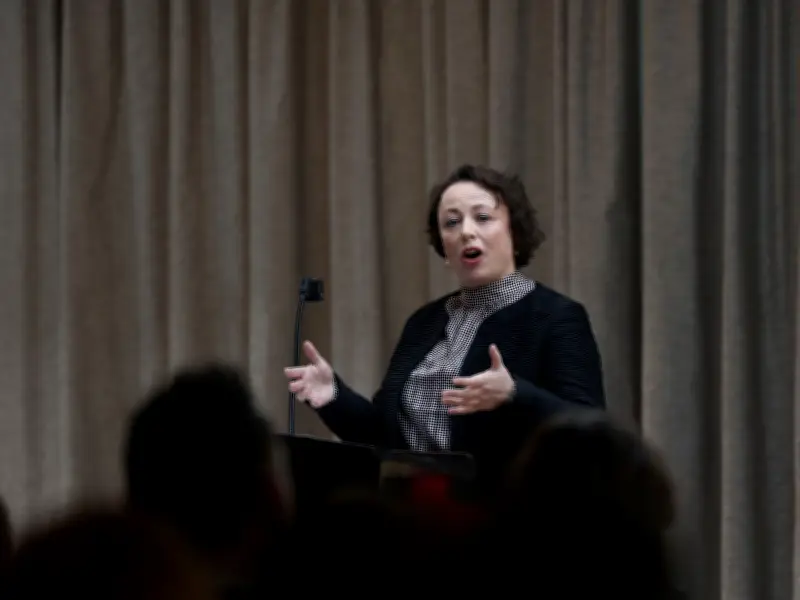
Newcastle North MP Catherine McKinnell has warned that two major reviews into NHS maternity failings must serve as a 'turning point' for mothers and babies, as she called for urgent implementation of recommendations to prevent further tragedies.
The Labour MP responded to the Amos review, led by Baroness Valerie Amos, which found that women across the country have suffered repeated failures in maternity care, including when phoning in with concerns during pregnancy and labour. The review calls for families to have the right to an independent investigation when internal NHS reviews are disputed, and the government has agreed to appoint a national maternity commissioner to drive improvements.
McKinnell said on Tuesday that the Amos review and the Ockenden investigation into Nottingham maternity units must be a 'turning point'. She recently brought a Clinical Negligence Bill to the House of Commons, calling for reforms to reduce NHS costs for negligence claims and redirect funds to improve care.

Constituent's tragic case highlighted
McKinnell raised the case of Amie Evans, from Forest Hall, whose baby Seren was stillborn after multiple concerns about reduced movement were ignored. She also spoke of her own experience of being sent away from hospital while experiencing severe pain, nausea, vomiting, and with her unborn baby suffering a falling heart rate, describing midwives as 'behaving more like nightclub bouncers than carers'.
She said: 'The circumstances leading to the Amos Review published this morning and the Ockenden Review published last week are nothing short of heartbreaking. It shouldn't need to be said, but women must now be front and centre of clinical decisions on maternity units at all times to ensure mothers receive safe, high quality and compassionate care in NHS maternity units.'
McKinnell added: 'I was incredibly moved recently when I met with my constituent Amie, who was turned away repeatedly from a maternity unit after noticing reduced movements in the days leading up to her due date. The fourth time she raised it, after her due date had passed, it was already too late, and her daughter Seren was, tragically, stillborn. It is crucial that the overarching principles the Amos Review has identified are now urgently put into practice.'
Negligence costs must be redirected
McKinnell noted that the NHS spends almost as much on clinical negligence claims as on delivering maternity care. She said: 'It is truly shocking that the NHS continues to spend almost as much on clinical negligence claims as it does on delivering maternity care. That is why it is so important that the Amos recommendation for the NHS to take action to listen to the voices of women is implemented in the next twelve months.'
She added that 'too many women are not given the information they need to understand their experiences, are traumatised by the wall of silence, and it inevitably ends up in litigation. I introduced a Private Members Bill to address this issue in the last Parliament, and it still demands urgent change.'
'Today's report has to be a turning point away from spending more than £2.5 billion annually on settling NHS clinical negligence claims in the maternity sector - 51% of the total negligence cost of harm in the NHS - towards investment in improving care instead. This has to be a line in the sand for mothers and their babies to get the safe, caring and compassionate experience they deserve.'
Criticism of the review
However, families have criticised the Amos review. The Maternity Safety Alliance claimed it was not sufficiently independent and raised fears that a maternity commissioner would put 'power and responsibility in one pair of unaccountable hands'.