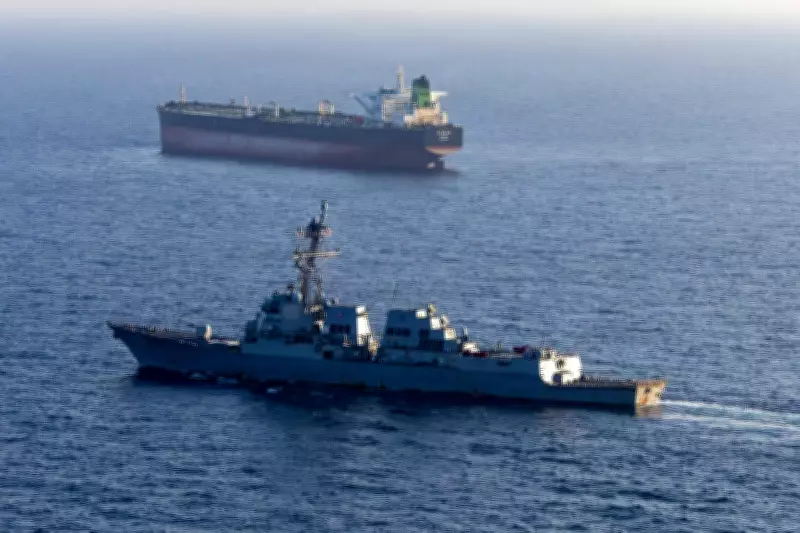
Iran has further tightened its control over the strategically vital Strait of Hormuz, forging new agreements with Iraq and Pakistan to facilitate the shipment of oil and liquefied natural gas from the region, according to sources familiar with the matter who spoke to Reuters on Wednesday.
Iran's Revenue Ambitions
An Iranian army spokesperson declared that supervision of the crucial shipping route could generate twice the revenue currently derived from the country's oil exports. In remarks carried by the ISNA news agency, the spokesperson stated: "After this war ends, there will be no place for retreat." This firm stance underscores Tehran's determination to leverage its geographic position amid ongoing conflict with the United States and Israel.
US Vice President Cites Progress
Across the Atlantic, US Vice President JD Vance offered a contrasting perspective, insisting that meaningful progress is being made in negotiations with Iran. Speaking to reporters at the White House, Vance elaborated on the administration's core objective: "The fundamental question is, do we make enough progress that we satisfy the President's red line? And the red line is very simple. He needs to feel confident that we put a number of protections in place such that Iran will never have a nuclear weapon."

Meanwhile, President Donald Trump is currently in Beijing for high-level talks with Chinese President Xi Jinping, as the crisis in the Middle East continues to unfold. The diplomatic manoeuvring comes amid reports that Israel is growing increasingly concerned that Trump might become frustrated with the deadlock and ultimately agree to a "bad deal" with Iran, potentially undermining regional security.
Conflict Escalation and Regional Fallout
The conflict, now in its 76th day, has seen a series of dramatic developments. Iran has accused Kuwait of unlawfully attacking and detaining four Iranian citizens near a Gulf island reportedly used by US forces. In southern Lebanon, Israeli drone strikes have resulted in civilian casualties, including children, as tensions with Hezbollah persist. The European Union has indicated that it does not anticipate a major short-term jet fuel supply crisis resulting from the conflict, though it acknowledges that longer-term risks remain.
Diplomatic Appeals and Secret Operations
The United Arab Emirates has publicly called for diplomatic engagement with Iran, despite reports alleging that the UAE secretly carried out strikes during the conflict. This mixed messaging highlights the complex web of alliances and enmities that characterise the region. As global oil and gas supplies remain disrupted, Iran's moves to consolidate its hold over the Strait of Hormuz are likely to have far-reaching implications for international energy markets.