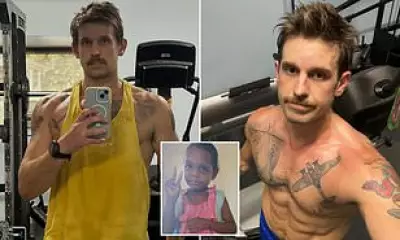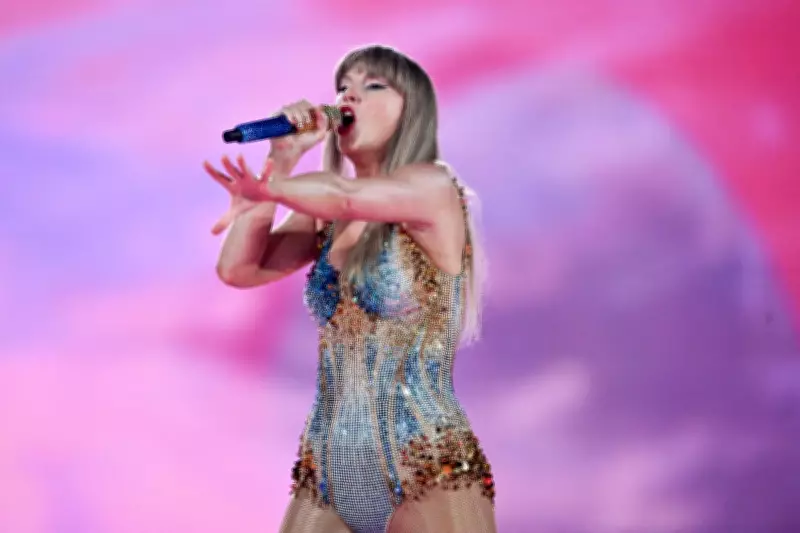
In 2024, Jeremy Clarkson’s face appeared in social media adverts promoting a digital currency, but the TV star never endorsed it. The ads were AI deepfakes, using his likeness to deceive fans. Clarkson, along with Taylor Swift, Cole Palmer, and Luke Littler, has filed trademarks on their faces to fight back against such misuse.
What Does Trademarking Your Face Entail?
Faris Dean, partner at Ison Harrison Solicitors, explains that a trademark distinguishes goods or services. Michael Rimola, intellectual property associate at JMW, notes that UK trademark law is business-focused: “You’d only file a trademark if you’re actually selling something.” Celebrities often have faces as brands, making trademarks a potential tool against deepfakes.
Limitations of Trademarking
Rimola highlights that the validity of such trademarks remains untested in court. Applications can be rejected for “bad faith” if there’s no genuine intention to use the trademark, and non-use within five years can lead to cancellation. Additionally, a trademark may cover only a specific image, becoming obsolete with a new haircut or piercing.

Dean raises human rights concerns: “What if one person registers a trademark which is actually the face of another person?” Celebrities with clear commercial intent, like Cole Palmer’s trademarked celebration for merchandise, may have stronger cases.
Why Celebrities Are Turning to Trademarks
UK law lacks image rights, so celebrities seek alternative protections. “Trademarks is one way, but it’s a bit of a shoehorn,” says Rimola. Social media platforms are more likely to remove content infringing on trademarks, offering some benefit.
The Need for Legislation
Both experts agree trademarking is no “silver bullet.” The UK government has cracked down on sexually explicit deepfakes but hasn’t legislated for non-sexual ones. Dean stresses the importance of parliamentary action: “It is important that the UK parliament set the parameters, so this is not addressed through other forums such as trademark registration.”