An overgrown and neglected cemetery in Surrey holds the remains of around 9,000 former patients from what was once Europe's largest cluster of psychiatric hospitals. Horton Cemetery, a privately owned five-acre site, is the final resting place of individuals from all walks of life, including a Titanic survivor, a Polish noblewoman, and a muse of Pablo Picasso. A campaign is now underway to return the site to public ownership and preserve the memory of those buried there.
Lionel Blackman, honorary secretary of the charity Friends of Horton Cemetery, which is leading the effort, said: 'We think Horton is of national importance. We believe it is the largest abandoned hospital cemetery in Europe. That makes it a rich resource for historians. The more stories we uncover of the people who are buried there, the better we can understand their lives and society at the time.' He added that the stories may help reduce the stigma surrounding mental illness, noting that those buried were 'people just like me and you - butchers, hat makers, piano tuners - but they fell into poverty or became ill and came to an unfortunate end.'
The Epsom cluster comprised five large psychiatric hospitals built by the London County Council: The Manor, Horton, Ewell Epileptic Colony, Long Grove, and West Park asylums, which began operation in 1899. Patients were committed for reasons that today seem shocking, including trauma after miscarriage or having children out of wedlock. Between 1899 and 1955, those who died without family support were buried in paupers' graves, marked only by simple crosses, few of which remain.

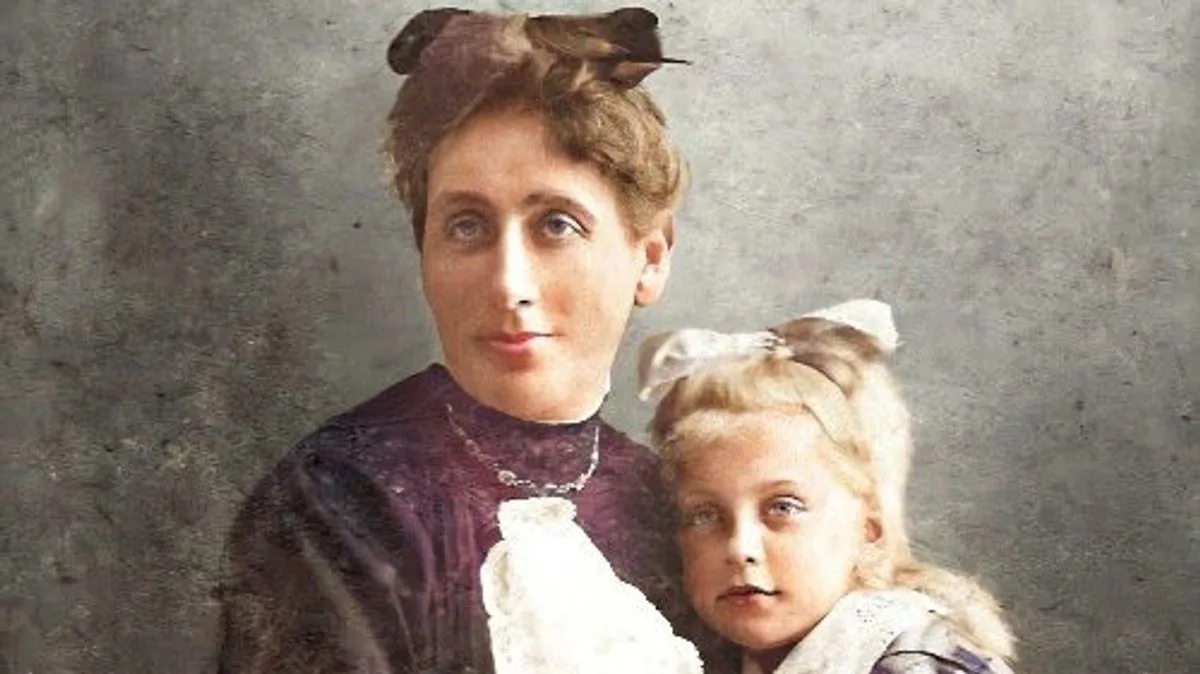
Among the notable burials is Felicja Staszewicz, a Polish noblewoman who fled her country estate during the Second World War, was arrested by Russian forces, and worked as a slave labourer before arriving in the UK in 1947. She died at Horton in 1950, possibly from dementia. Her great-grandson, Alex Buchinger, said: 'It would be lovely to be able to go and see her last resting place.' Also buried there are Mary Ann Godfrey, who died in 1915 with 'chronic melancholia', and Byron Pedley, a comedy actor, as well as Spanish dancer Felix Garcia, who was sketched by Picasso.
Burials at Horton ceased in 1955, and the hospitals were sold in 1983. The charity aims to transform the site into a garden, nature reserve, and memorial. A granite memorial outside the cemetery, funded by public subscription, is currently the only indicator of its past. Volunteer researchers have identified information on around 500 of those buried there.