Middle East Travel Alert: Scammers Target Stranded Tourists via Fake Airline Accounts
Middle East Travel Alert: Scammers Target Stranded Tourists

Middle East Travel Alert: Scammers Target Stranded Tourists via Fake Airline Accounts

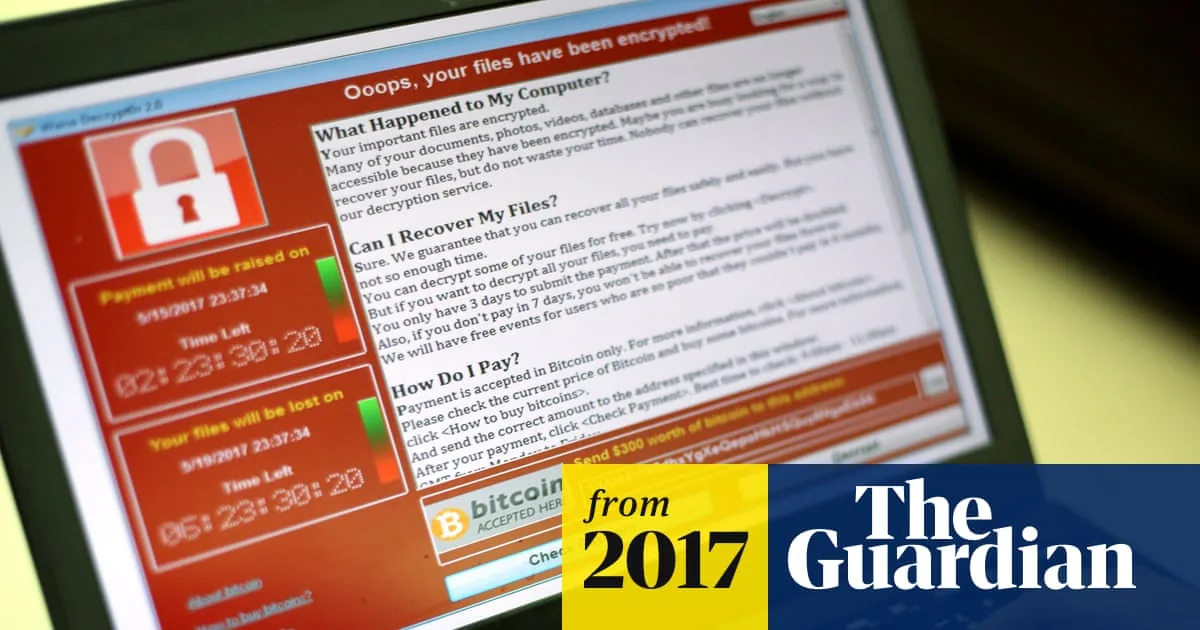
Travellers currently in or heading to the Middle East are facing a dual threat: not only the severe disruption caused by regional instability but also a surge in sophisticated online scams. Fraudsters are exploiting the unfolding chaos by posing as airline support accounts on social media platforms, preying on the fears and desperation of tourists who find themselves stuck across the area.

How the Scams Operate

With many passengers attempting to contact airlines via social media for updates and assistance, they are encountering responses from unofficial, fraudulent accounts. These imposter accounts often claim direct affiliation with major airlines, using convincing tactics to request sensitive personal details such as full names, phone numbers, and email addresses. The scammers capitalise on the heightened anxiety of travellers affected by cancelled or suspended flights, making their deceptive approaches particularly effective during this crisis.

Airlines Issue Urgent Warnings

Leading carriers have taken to social media to share explicit warnings about these fraudulent behaviours. Emirates airline posted a stark alert on X, stating: 'Be wary of imposter accounts. Our only official channels are @emirates and @emiratessupport, and can be identified by their gold verification checkmarks. Always double-check before responding. Do not engage with or click on links shared from other accounts.'

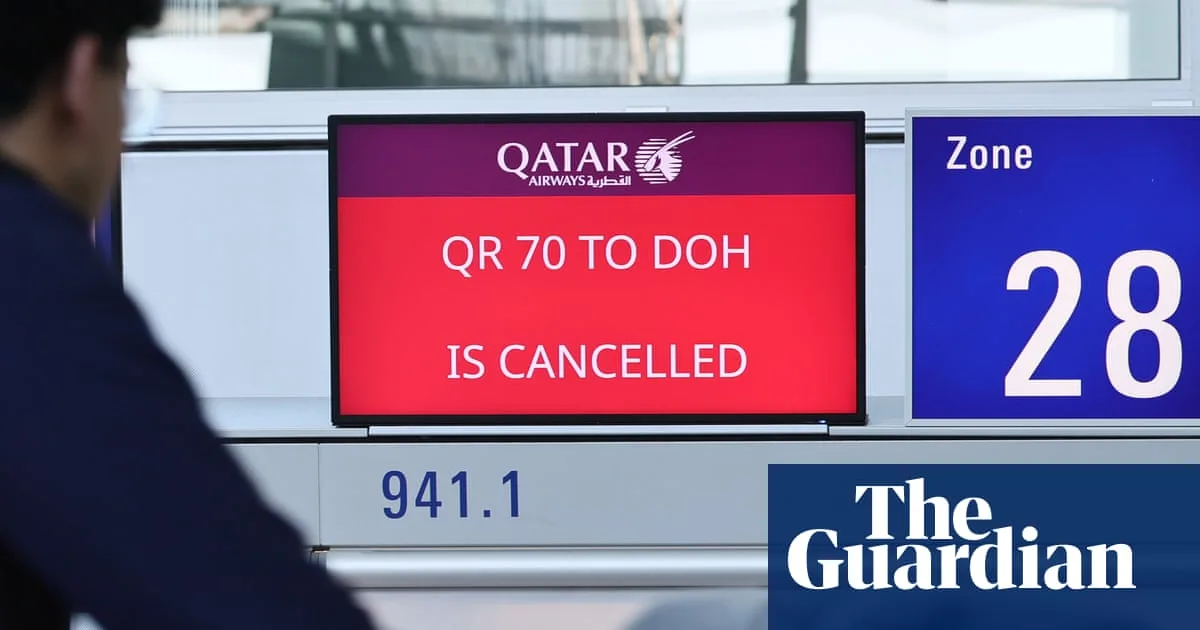
Similarly, Qatar Airways emphasised on the platform: 'Important: We are aware of fraudulent accounts impersonating Qatar Airways and requesting personal information. Qatar Airways will never ask for passwords, OTPs, banking details, or other sensitive information via social media or direct messages. Please interact only with our verified official channels: qatarairways.com or the Qatar Airways App.'

How to Identify Fraudulent Accounts

There are several reliable methods to verify the authenticity of social media accounts. On X, look for verification checkmarks in blue, gold, or grey, which confirm an account's legitimacy. Airlines typically provide direct links to their official social media profiles through their corporate websites, whether for main X accounts or dedicated support pages. It is crucial to note that many fraudulent accounts use usernames strikingly similar to legitimate ones, often appearing genuine at first glance. Travellers must exercise extreme caution, especially if an account initiates contact unexpectedly rather than in response to a direct inquiry.

Context of Regional Disruption

This scam alert comes amid significant turmoil in the Middle East, where many travellers are currently stranded following a wave of violence that erupted over the weekend. Britons travelling to and within the region are experiencing severe holiday disruptions, with estimates suggesting at least 200,000 UK nationals are in the Gulf as airspaces remain closed due to Iran's suicide drone blitz. Flights to numerous major hubs across the area have been cancelled or suspended indefinitely, compounding the challenges for those seeking to return home.

The situation follows US and Israeli strikes on Iran, which prompted retaliatory missile attacks from Iran across the region. In response, the UK Government is planning a large-scale evacuation effort, aiming to repatriate at least 94,000 Britons stuck across the Middle East. Authorities advise all affected travellers to contact their airlines directly via official websites if in any doubt, rather than relying on unsolicited social media communications.