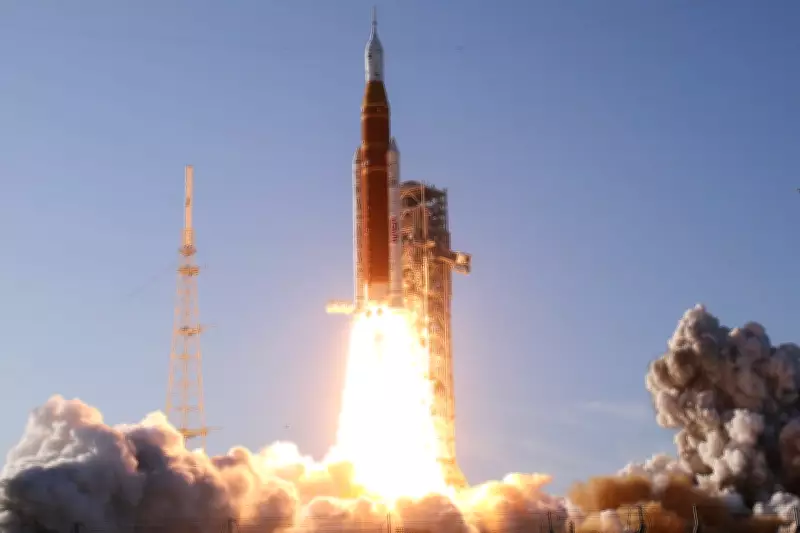
The Artemis II astronauts faced an unexpected plumbing challenge during the initial hours of their historic journey around the moon, encountering a toilet malfunction that required swift troubleshooting from mission control teams. The crew observed a blinking fault indicator, similar to a vehicle's "check engine" light, just before executing a critical maneuver to transition into a higher Earth orbit above the International Space Station and satellite zones.
Technical Glitch Identified
Norm Knight, NASA's director of flight operations, explained to reporters at Florida's Kennedy Space Center that the issue stemmed from a controller problem. During the agency's mission livestream, NASA spokesperson Gary Jordan detailed that the toilet's fan system, responsible for odor removal and airborne particle management, had become jammed. "Ground teams are currently developing instructions to access the fan and clear the obstruction, restoring the toilet's functionality for the mission," Jordan stated.
Backup Systems Activated
While the commode remained operational for solid waste, the astronauts temporarily lost the ability to urinate using the primary system. "In the interim, they are utilizing contingency backup waste management capabilities specifically designed for urine collection," Jordan added. Mission control teams successfully analyzed the data and implemented a solution, with NASA confirming in an official statement: "The Artemis II crew, collaborating closely with mission control in Houston, restored the Orion spacecraft's toilet to normal operations following the proximity operations demonstration."

First Deep-Space Toilet Design
This Universal Waste Management System represents the inaugural toilet specifically engineered for deep-space missions, featuring design elements such as a door similar to those used on the International Space Station. Should future repairs prove impossible, astronauts would need to resort to urine collection bags as an alternative method.
The Artemis team continues to test spacecraft systems and capabilities, with plans to proceed toward the moon approximately five to six days into the flight. This incident highlights the intricate challenges of maintaining human life support systems during extended space exploration missions beyond Earth's immediate vicinity.