Artemis II Mission Blasts Off, Signaling a New Chapter in Lunar Exploration
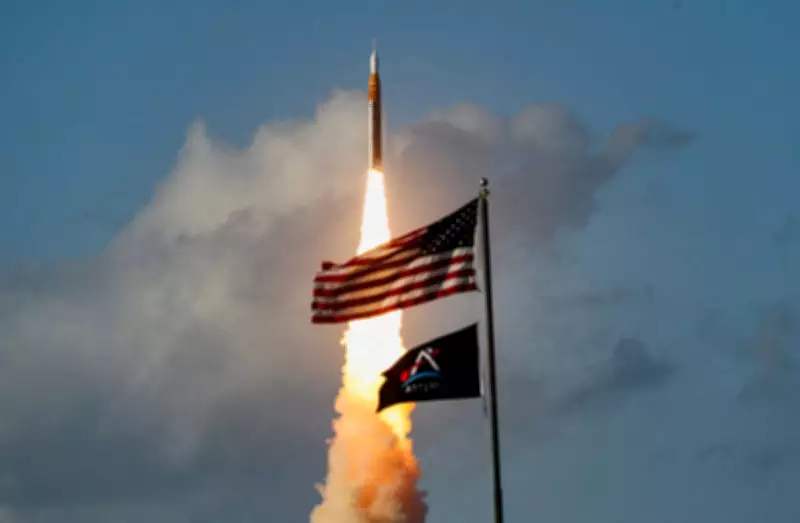
NASA's Artemis II mission, featuring the Space Launch System (SLS) rocket and Orion crew capsule, successfully lifted off from the Kennedy Space Center in Cape Canaveral, Florida, on April 1, 2026. This launch marks the first crewed lunar mission by the United States in over five decades, capturing global attention with its blend of patriotism and international cooperation.
A Diverse Crew Embarks on a Historic Journey
The four astronauts aboard Artemis II—commander Reid Wiseman, Victor Glover, Christina Koch, and Canadian astronaut Jeremy Hansen—represent a milestone in space history. For the first time, a mission to the moon includes a woman, a person of color, and a non-American, reflecting a broader, more inclusive vision for space exploration. In a pre-launch briefing, Wiseman emphasized the mission's unifying message: "We really are going for all, by all, and we want to take the whole world along with us."
This sentiment was echoed by NASA administrator Jared Isaacman, who highlighted the agency's commitment to regular rocket launches and global collaboration. The launch, occurring nearly 54 years after the last human moon landing during Apollo 17 in December 1972, underscores how much the world has evolved, yet the allure of space exploration remains undiminished.

Technical Success and Public Spectacle
The lift-off proceeded flawlessly, following earlier technical delays in February and March that had postponed launch attempts. Up to half a million spectators gathered along Florida's space coast to witness the fiery ascent, a testament to enduring public fascination with space missions. While the Artemis II crew will not land on the moon, their 10-day odyssey includes a lunar flyby, taking them within 6,000 miles of the lunar surface and farther from Earth than any humans before.
Despite geopolitical tensions in regions like the Middle East and Ukraine, the launch served as a moment of healing and unity. Former astronauts, including space shuttle veteran Mark Kelly, now a Democratic U.S. senator, and Stephen Robinson, a four-time flyer, praised the transcendent power of human spaceflight. Kelly noted, "This is a place that we all can often come together and unite around a common goal. That's hard but it's doable."
Political and Financial Backing for NASA's Renaissance
The mission's success is bolstered by bipartisan support in Congress, which recently restored NASA's budget to $24.4 billion after proposed cuts. Michael Haridopolos, a Florida Republican congressman, highlighted the collaborative efforts that have revitalized the agency since the end of the space shuttle program in 2011. "To see the turnaround that we've seen has been remarkable," he said, emphasizing the teamwork behind NASA's renewed focus on lunar and Martian exploration.
Isaacman described Artemis II as "the opening act" for ambitious plans, including establishing a permanent moonbase and eventual missions to Mars. Recent restructuring of the Artemis program has introduced new missions to test lunar landers from private companies like SpaceX and Blue Origin, signaling a forward-looking approach to space exploration.
Inspiring Future Generations
The launch has already sparked global interest, with events like a child in Mexico dressed as an astronaut watching the broadcast. Isaacman expressed optimism that the mission will captivate audiences worldwide, inspiring a new generation of space enthusiasts. "You're gonna have more kids dress up as astronauts for Halloween," he remarked, anticipating that imagery from the moon will further engage the public.
As the Artemis II mission continues, the crew will evaluate Orion's systems for future flights, paving the way for sustained human presence beyond Earth. This historic launch not only celebrates past achievements but also heralds a promising future for space exploration, driven by innovation, diversity, and international partnership.