Artemis II Moon Mission to Feature Student-Designed Mascot 'Rise'
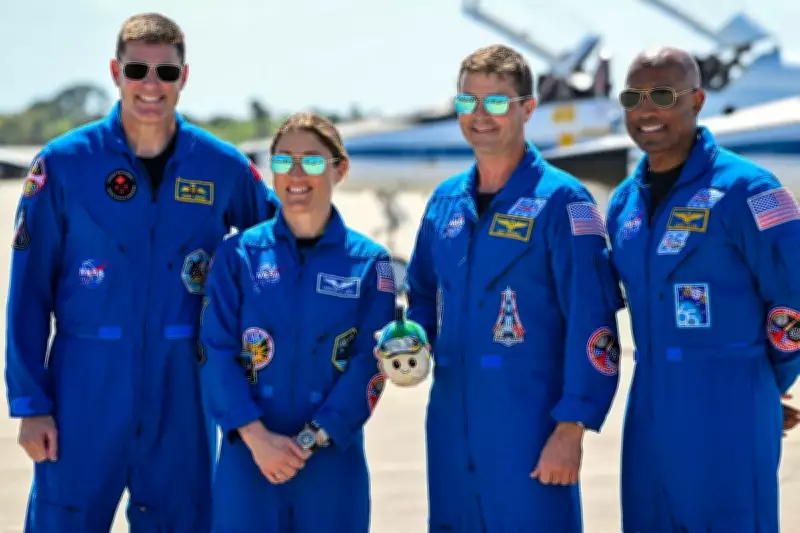
NASA's Artemis II mission is poised for launch, marking the first crewed lunar journey in over 50 years. This historic flight will carry four astronauts around the Moon, including the first woman, first Black man, and first non-US citizen to embark on such a voyage. The mission represents a significant milestone in space exploration, reviving human lunar ambitions after decades.
'Rise': The Mascot with a Personal Touch
Adding a unique and heartfelt element to the mission is 'Rise', a softball-sized moon plushie designed by a Californian elementary student. Selected as the official mascot, 'Rise' will serve as a zero-gravity indicator during the flight, floating when the spacecraft enters microgravity conditions. Beyond its functional role, the mascot carries symbolic weight, embodying the spirit of innovation and public engagement in space endeavours.
Symbolic Features and Historical Connections
'Rise' is more than just a plush toy; it is loaded with meaningful details. The mascot wears a cap inspired by the iconic Earth rise photo captured during the Apollo 8 mission, linking past achievements to future aspirations. Additionally, it carries a MicroSD card containing the names of 5.6 million people, allowing individuals worldwide to feel connected to this monumental event. This inclusion highlights NASA's efforts to foster global participation and excitement around space exploration.

Artemis Programme: A Broader Lunar Vision
Artemis II is the second of five planned flights in NASA's Artemis programme, which aims to land astronauts on the Moon and establish a sustainable lunar base. This mission builds on the success of Artemis I, an uncrewed test flight, and paves the way for future lunar landings. The programme's goals extend beyond mere exploration, focusing on long-term habitation and scientific research that could support future missions to Mars and beyond.
Historical Context and Future Implications
The last crewed mission to the Moon was Apollo 17 in 1972, making Artemis II a historic return to lunar exploration. By including diverse astronauts and international collaboration, NASA is setting new precedents for inclusivity in space travel. The mission's success could accelerate advancements in technology, science, and international partnerships, shaping the future of human spaceflight for generations to come.