Florida's Space Coast Cities Abuzz as NASA's Artemis Launch Approaches
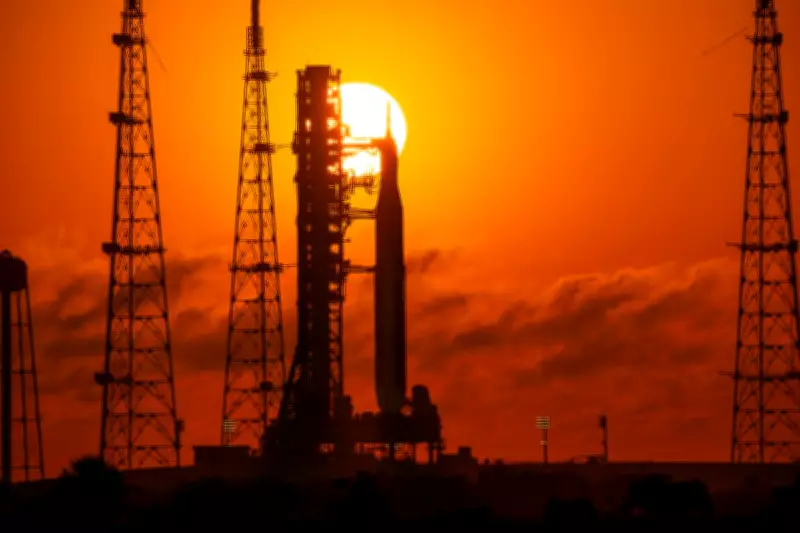
On the morning of March 24, NASA's Space Launch System rocket stood majestically on Complex 39B at sunrise in Florida, symbolizing a new era for the region. Almost six decades after the Apollo moon program, the space coast is experiencing a resurgence of excitement and anticipation, with cities like Cape Canaveral and Titusville, once ghost towns after the 1969 moon landing, now witnessing a space industry renaissance.
Historic Launch Set to Revitalize Local Economy
At 6:24 PM ET on Wednesday, subject to weather and technical checks, the Artemis II astronauts—three Americans and one Canadian—will blast off on the first human journey to the moon since 1972. This mission represents a deep symbolic step for America's space port, paving the way for a permanent lunar base and future Mars expeditions. Beyond its scientific goals, the launch celebrates years of effort in the Artemis program, which has revitalized the local economy after a period of steep decline.
In 2011, following the end of NASA's space shuttle program, the space coast faced a crisis. Thousands lost jobs at the Kennedy Space Center, property prices collapsed, and businesses folded, leaving the economy in a black hole. NASA's reliance on Russian launches for human spaceflight added to the humiliation, until SpaceX began ferrying crews from US soil in 2020.

Economic Boom and Job Creation
Now, a drive around Cape Canaveral, Titusville, and Cocoa Beach reveals a transformed landscape. Private space partners like SpaceX and Blue Origin have built huge facilities, employing thousands to develop landers for Artemis missions. These companies are also creating heavy-lift rockets, such as Starship and New Glenn, to eventually take over crew and cargo duties from NASA's Space Launch System.
Space Florida reports a $6 billion boost to the economy from space business last year, with Artemis accounting for an estimated 13,000 new jobs and $3 billion in annual spending. Don Thomas, a retired NASA astronaut, notes the rejuvenation firsthand, describing heavy traffic and new construction in areas that were once no man's land.
"It is really a boom going on, so it's almost like a renaissance in the space business," Thomas said, highlighting new apartments, schools, and shopping centers springing up across the region.
Community Pride and Spectator Excitement
Pride has returned to the space coast, with hotel marquees displaying supportive messages for Artemis II, NASA logo T-shirts prevalent on beaches, and fast-food restaurants selling out of moon-themed items. Hundreds of thousands of spectators are expected to pack beaches and causeways on launch day, potentially doubling the crowd from the 2022 Artemis I test flight.
Titusville, once known as "Rocket City USA," now bills itself as the "gateway to nature and space," reflecting a shift in attitudes while maintaining its deep ties to the space industry. Mayor Andrew Connors emphasized the city's historical connection to NASA, noting how it has risen and fallen with the agency's fortunes.
"With Artemis, and as we step forward into the future, it's exciting to see how far we've come," Connors said, suggesting a new motto could be "the gateway to Earth" as Titusville positions itself at the doorstep of future lunar and Mars missions.
From Ghost Town to Thriving Hub
Gary Allgire, a retired NASA engineer and Titusville resident, recalls the dark days after the Apollo and shuttle programs ended, when the area became a ghost town with abandoned homes. Today, he works at the American Space Museum, which is busier than ever with visitors curious about Artemis and space history.
"Now every year there's a new space company coming in, starting up," Allgire said, underscoring the ongoing transformation. The museum's artifacts and memorabilia attract those eager to learn about past achievements and future ambitions.
Thomas added that the Artemis II mission inspires young people, much like Apollo did for his generation. "Today, if I show that picture to students and ask who the astronauts are on Mars they go: 'That's us!'" he said, highlighting how the program fosters a sense of ownership and excitement for the next generation of space explorers.

As the countdown to launch continues, Florida's space coast stands as a testament to resilience and innovation, with communities eagerly awaiting a new chapter in human space exploration.