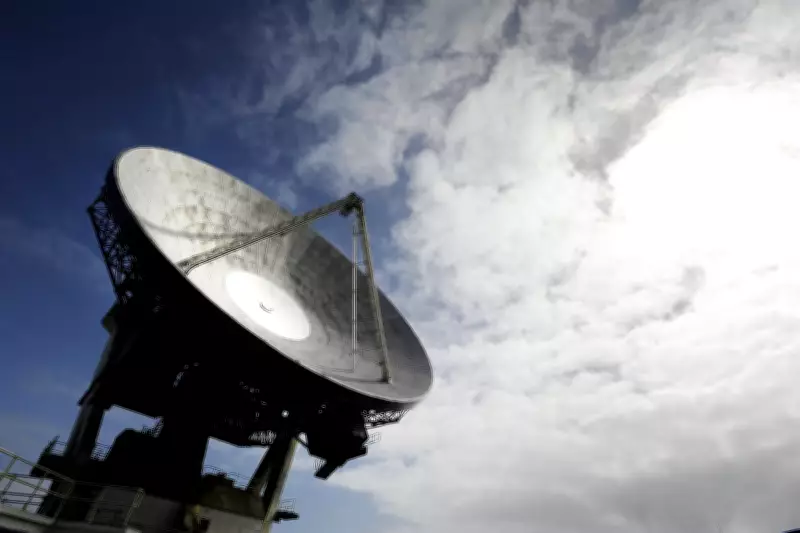
Goonhilly Earth Station's Vital Role in NASA's Artemis II Moon Mission
Goonhilly Earth Station in Cornwall is playing a pivotal role in NASA's Artemis II mission, meticulously tracking the Orion spacecraft as it journeys to and from the Moon. This mission represents NASA's first crewed lunar expedition in over five decades, aiming to propel astronauts deeper into space than ever before.
Historic Launch and Mission Details
The Artemis II mission successfully launched from Cape Canaveral, Florida, at 6.36pm local time on 1 April 2026. A powerful 322-foot rocket carried four crew members: three Americans and one Canadian, embarking on a groundbreaking voyage to expand human presence in space.
Goonhilly's Legacy in Space Communication
Goonhilly Earth Station boasts a rich history in space communication, having broadcast the iconic Apollo 11 Moon landing in 1969 and supported NASA's Artemis I mission in 2022. Its expertise continues to be instrumental in advancing space exploration efforts.

Emphasis on International Collaboration
UK government minister Baroness Lloyd and NASA officials have highlighted the significance of British expertise and international cooperation in achieving ambitious space exploration goals. This collaboration underscores the global effort to push the boundaries of human discovery.
Key Contributions and Future Implications
Tracking and Support: Goonhilly provides essential communication links for the Orion spacecraft, ensuring data transmission and mission safety.
Historical Context: The station's involvement dates back to the Apollo era, cementing its reputation as a leader in space technology.
This mission not only advances scientific knowledge but also fosters partnerships that could shape future space endeavours, reinforcing the importance of facilities like Goonhilly in the global space community.