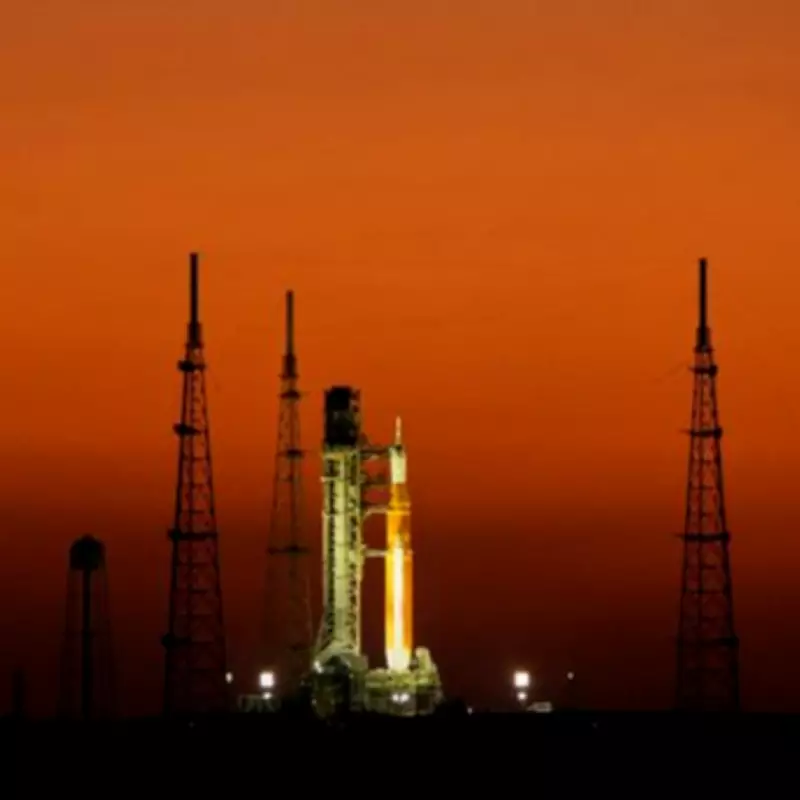
NASA's Artemis 2 Countdown Begins for Historic Moon Mission After 53 Years
NASA has initiated the countdown for the Artemis 2 mission, marking humanity's first crewed journey to the Moon in more than five decades. This monumental event will see four astronauts board the Orion spacecraft, propelled by the Space Launch System (SLS) rocket, as they prepare to embark on a groundbreaking lunar flyby.
Launch Details and Schedule
The first possible launch window opens this evening at 6:24pm EDT (10:24pm GMT), following months of delays that pushed the mission from an original target in November 2024. NASA weather experts are closely monitoring forecasts to ensure optimal conditions. If weather or technical issues arise, subsequent launch dates are scheduled for April 2, April 3, April 4, April 5, April 6, and April 30.
Meet the Diverse Artemis 2 Crew
In a significant departure from the Apollo era, the Artemis 2 crew represents a more inclusive vision of space exploration. The astronauts are:

- Commander Reid Wiseman
- Pilot Victor Glover, who will become the first person of colour and black astronaut to travel into deep space
- Mission Specialist Christina Koch, set to be the first woman to fly to the Moon
- Canadian Space Agency astronaut Jeremy Hansen, the first non-American to journey to lunar orbit
This crew composition contrasts sharply with the exclusively white, male, and often military backgrounds of Apollo astronauts, highlighting NASA's commitment to diversity.
Mission Overview and Technical Specifications
The Artemis 2 mission is expected to last eight to ten days, covering approximately 600,000 miles as it completes a lunar flyby. The Orion spacecraft will travel 8,889 kilometres beyond the Moon, taking humans farther into space than ever before. Key objectives include collecting flight test data on Orion's life support systems and overall capabilities.
NASA's SLS rocket stands an impressive 98 metres tall (322 feet) and weighs around 2.6 million kilograms when fully fuelled. It comprises two massive rocket boosters and four engines, designed to power the mission into lunar orbit.
Historical Context and Delays
This mission marks the first crewed flight to the Moon since 1972, reviving lunar exploration after a long hiatus. Artemis 2 has faced multiple setbacks, with initial delays from November 2024 to September 2025, then to early 2026, and further cancellations in February and March 2026. These challenges underscore the complexity of preparing for such an ambitious endeavour.
As the countdown progresses, the world watches with anticipation, ready to witness a new chapter in space exploration that promises to inspire future generations and advance our understanding of deep space travel.