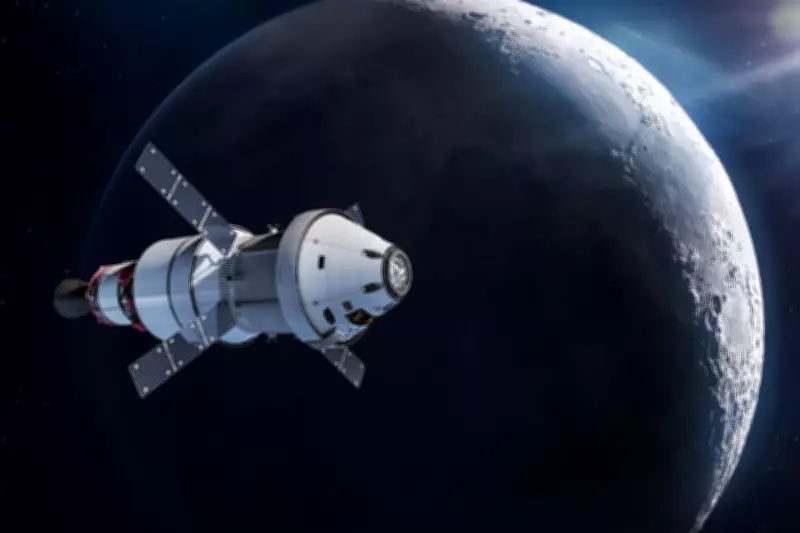
The United States' Artemis programme represents a monumental shift in space exploration, moving beyond the brief lunar visits of the Apollo era to establish a sustained human presence on the Moon. This ambitious initiative, spearheaded by NASA, is designed to support long-term living and working on the lunar surface, with the ultimate goal of paving the way for future human missions to Mars. Key milestones in this endeavour include the successful uncrewed test flight of Artemis I in 2022 and the recent crewed mission, Artemis II, which orbited the Moon on 1 April to verify critical life-support and operational systems.
Financial and Strategic Investments
To realise this vision, NASA plans to invest approximately US$20 billion, equivalent to around £15 billion, in developing a lunar surface base. This facility is intended to enable extended stays for astronauts, providing a platform for scientific research and technological advancements. The knowledge gained from these lunar operations is expected to be invaluable for planning more distant missions, particularly to Mars, where similar environmental challenges will be encountered.
Biological Challenges of Lunar Living
Extended habitation on the Moon presents significant biological hurdles that must be addressed to ensure astronaut health and safety. The lunar environment is characterised by reduced gravity, which is only one-sixth of Earth's, leading to potential issues such as muscle atrophy, bone density loss, and cardiovascular deconditioning. Chronic exposure to cosmic and solar radiation poses another major risk, increasing the likelihood of cancer and other cellular damage over time.

Extreme temperature fluctuations on the Moon, ranging from scorching heat to freezing cold, further complicate life support systems. Additionally, lunar dust, which is abrasive and toxic, can infiltrate habitats and equipment, causing respiratory problems and damaging machinery. These factors collectively impact multiple human organ systems, necessitating robust countermeasures.
Innovative Countermeasures and Health Strategies
To mitigate these challenges, NASA and its partners are developing a range of innovative solutions. Redesigned exercise regimes are being implemented to combat the effects of reduced gravity, focusing on resistance training and cardiovascular workouts tailored to the lunar environment. Personalised nutrition plans are also being explored to support metabolic health and immune function in space.
Research into artificial gravity, through rotating habitats or other mechanisms, is underway to simulate Earth-like conditions and reduce physiological stress. Multi-layered radiation protection, including advanced shielding materials and habitat designs, is crucial for minimising exposure risks. Continuous physiological monitoring via wearable technology will allow for real-time health assessments, enabling prompt interventions when necessary.
These efforts underscore the complexity of establishing a human presence on the Moon, highlighting the need for interdisciplinary collaboration in fields such as medicine, engineering, and environmental science. As the Artemis programme progresses, addressing these biological challenges will be paramount to ensuring the success and sustainability of lunar exploration.