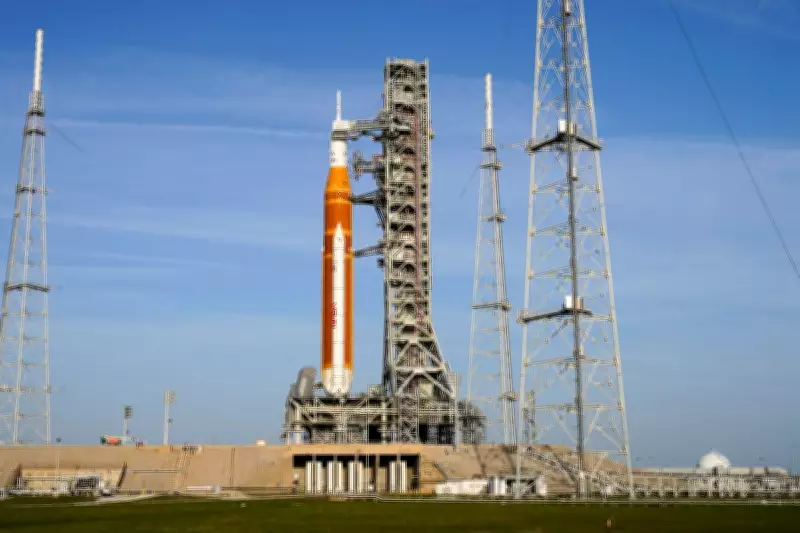
After enduring weeks of technical setbacks including fuel leaks and other complications, NASA has encountered a remarkably smooth countdown on Tuesday, just one day before the scheduled launch of the first crewed mission to the moon in more than half a century. Officials have confirmed that the moon rocket is performing optimally on the launch pad, and meteorological conditions appear highly promising for the imminent departure.
Favorable Forecast Bolsters Launch Confidence
Weather forecasters have estimated an 80% probability of favourable conditions for the Wednesday evening launch, significantly boosting confidence among the mission team. This positive outlook follows a series of delays that had previously jeopardised the timeline for this historic spaceflight endeavour.
Technical Challenges Successfully Resolved
The Artemis II mission has faced multiple postponements due to technical issues. Initially scheduled for February, hydrogen fuel leaks necessitated a rescheduling to March. Subsequently, clogged helium lines forced another delay, pushing the launch window to April. NASA maintains only a limited number of days each month when planetary alignment allows for optimal lunar trajectory, making each launch opportunity critically important.

"Everybody's pretty excited and understands the significance of this launch," remarked senior test director Jeff Spaulding, reflecting the heightened anticipation surrounding this milestone event in space exploration history.
Historic Crew Prepares for Lunar Journey
The four astronauts selected for the Artemis II mission - three Americans and one Canadian - will become the first human visitors to the moon's vicinity since the Apollo 17 mission concluded in 1972. Their mission profile involves a flyby trajectory that will take them around the moon without landing or entering lunar orbit, followed by a direct return journey to Earth.
Final Preparations Underway
With confidence that all previous technical problems have been adequately addressed and resolved, the launch team plans to commence fueling operations for the massive 32-story Space Launch System rocket on Wednesday morning. This preparatory work will culminate in an evening launch attempt, marking NASA's closest approach yet to executing the long-awaited Artemis II mission.
This mission represents a crucial stepping stone in NASA's broader Artemis program, which aims to establish sustainable human presence on and around the moon while paving the way for future Mars exploration. The successful resolution of technical challenges and favourable weather conditions have created optimal circumstances for what could become a defining moment in 21st-century space exploration.